We remain fully operational. Our teams are working around the clock to ensure your deliveries continue safely.

下载应用程序


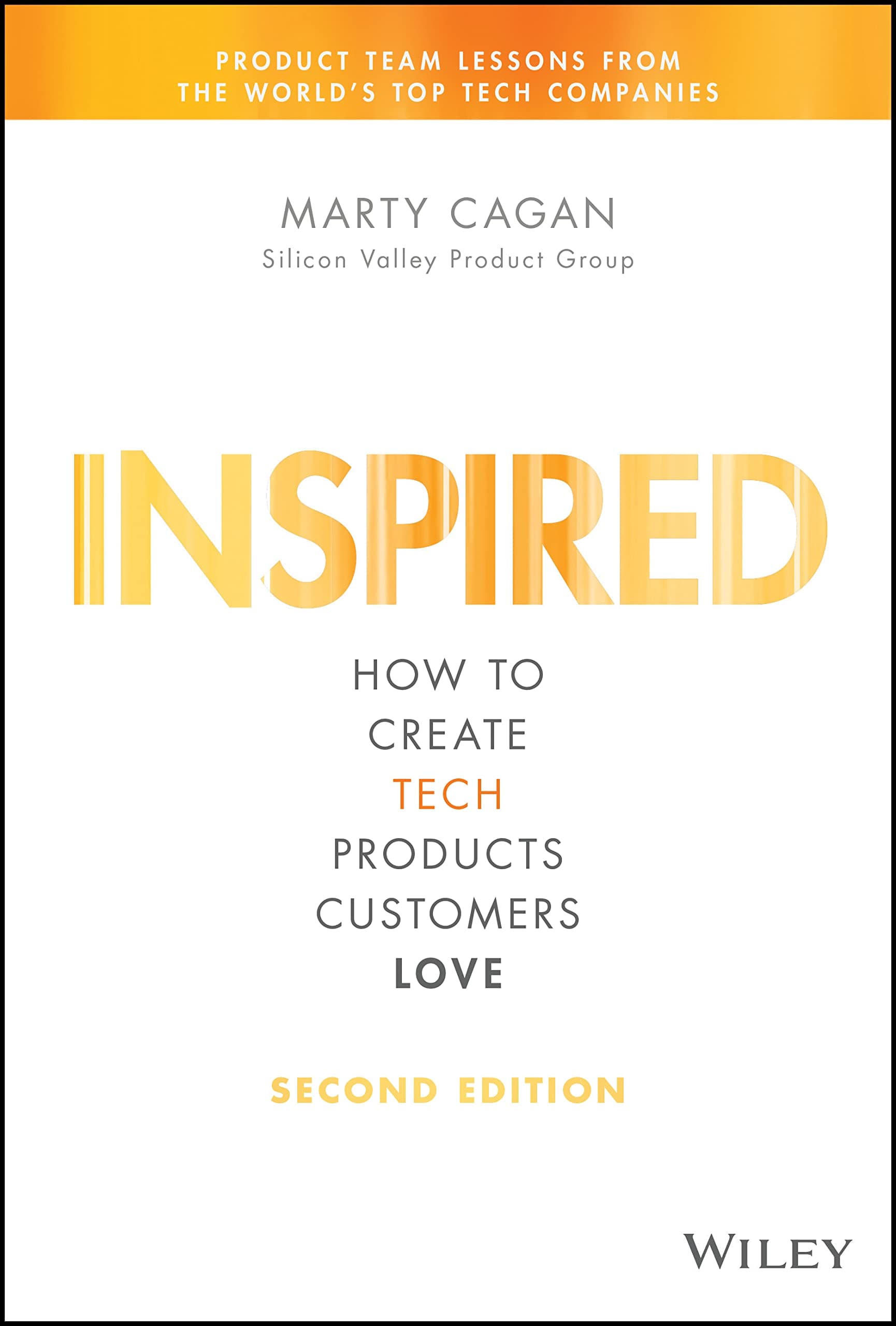
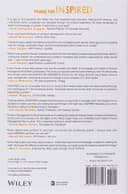

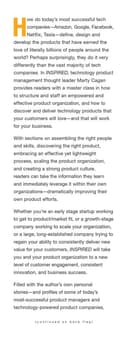
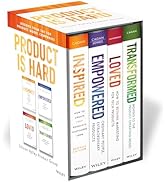
Inspired: How to Create Tech Products Customers Love [Cagan, Marty] on desertcart.com. *FREE* shipping on qualifying offers. Inspired: How to Create Tech Products Customers Love Review: A must read book for product managers - Some significant time has passed since the 1st edition of this book and I keep returning and referring to it as an inspirational source of product wisdom and a great starting point either for junior product managers who are new to profession or anyone who is looking for ways to improve product culture, discovery processes or overall performance of product teams. If you're looking for just one book on modern product management - that's the book Review: An excellent book that lays down valuable frameworks about Product management. - Product management (which to me only means creating products people find valuable) is probably one of the most difficult areas of human endeavors. It is part art, part science, and part luck (that your product succeeds/wins). There are lots of resources out there on this multidisciplinary topic and it quickly gets overwhelming trying to learn about this most important topic. This applies equally weather you are new to product management or already quite experienced (as happens to be my case). Marty's book does a fantastic job of covering the art+science of product management in a holistic view and provides easy to understand frameworks and mental models to think about the process of creating valuable tech (software) products. It lays down a very strong foundation for product management, especially in its modern form and as it is practiced by some of the most successful tech companies of today. I highly recommend getting this edition of the book as it is significantly updated and different and shares very valuable frameworks for modern product management.




| Best Sellers Rank | #10,083 in Books ( See Top 100 in Books ) #1 in Product Management #1 in Business Research & Development #75 in Entrepreneurship (Books) |
| Customer Reviews | 4.6 4.6 out of 5 stars (6,229) |
| Dimensions | 6.3 x 1.3 x 9.1 inches |
| Edition | 2nd |
| ISBN-10 | 1119387507 |
| ISBN-13 | 978-1119387503 |
| Item Weight | 2.31 pounds |
| Language | English |
| Print length | 368 pages |
| Publication date | December 12, 2017 |
| Publisher | Wiley |
D**Y
A must read book for product managers
Some significant time has passed since the 1st edition of this book and I keep returning and referring to it as an inspirational source of product wisdom and a great starting point either for junior product managers who are new to profession or anyone who is looking for ways to improve product culture, discovery processes or overall performance of product teams. If you're looking for just one book on modern product management - that's the book
H**D
An excellent book that lays down valuable frameworks about Product management.
Product management (which to me only means creating products people find valuable) is probably one of the most difficult areas of human endeavors. It is part art, part science, and part luck (that your product succeeds/wins). There are lots of resources out there on this multidisciplinary topic and it quickly gets overwhelming trying to learn about this most important topic. This applies equally weather you are new to product management or already quite experienced (as happens to be my case). Marty's book does a fantastic job of covering the art+science of product management in a holistic view and provides easy to understand frameworks and mental models to think about the process of creating valuable tech (software) products. It lays down a very strong foundation for product management, especially in its modern form and as it is practiced by some of the most successful tech companies of today. I highly recommend getting this edition of the book as it is significantly updated and different and shares very valuable frameworks for modern product management.
D**Y
Great resource for PM role
This book is a great, practical overview of the role of a Product Manager in technology. It clearly explains what makes a good PM and how to actually be effective in the role. What stood out most is how actionable it is. Rather than being theoretical, it focuses on real-world challenges—understanding users, balancing business needs, and working within technical constraints. It reframes product management as solving real customer problems, not just building features. Highly recommended for anyone in product, or anyone considering a PM role.
J**N
Want to ace a product management interview? Read Marty's book and steal at least a few insights - you'll sound like a genius
The second edition of Inspired is even better than the first (which used to be my favorite product management book). It is the best articulation of how to be successful in product management and how to create successful products that I have ever read. It is impossible not to run into into insights about challenges you are having or have had as a product manager when reading it. (This can be a little creepy, how does he know about all these mistakes I have made, is he a psychic?) Do you want to get a job as a product manager? Read and re-read Marty’s book and steal at least a few of his insights for the interview - you’ll sound like a genius. Some of the topics that resonated for me (I’m sure there will be different ones for you): -Product management is distinct from other essential roles: design, engineering, product marketing, and project management (Chapter 1). -Two inconvenient truths that often cause failed product efforts are: at least half our ideas are just not going to work (customers ultimately won’t use it - which is why you need customer validation early in the process) and it takes several iterations to implement an idea so that it delivers the necessary business value (Chapter 6). -The three overarching product development principles from Lean and Agile which help you create successful products are (Chapter 7) -Risks should be tackled up front, rather than at the end. -Products should be defined and designed collaboratively, rather than sequentially. -Its is all about solving problems, not implementing features. -You need a team of missionaries, not mercenaries to create the smallest possible product that meets the needs of a specific market of customers (Chapter 8,9). -A product manager must bring four critical contributions to their team (Chapter 10): Deep knowledge 1) of your customer 2) of the data 3) of your business and its stakeholders 4) of your market and industry -Product managers (PMs) need product designers - not just to help make your product beautiful - but to discover the right product (Chapter 11). -Typical product roadmaps are the root cause of most waste and failed efforts in product organizations (Chapter 22). It is all too easy to institute processes that govern how you produce products that can bring innovation to a grinding halt. You need to try to wean your organization off of typical product roadmaps by focusing on business outcomes, providing stakeholders visibility so that they know you are working on important items, and by eventually making high-integrity commitments when critical delivery dates are needed (Chapter 60). Part of this is managing stakeholders which includes engaging them early in the product discovery process ideally with high-fidelity prototypes (Chapter 61). -Products should start with a product vision in which the product team falls in love with the problem, not the solution (Chapter 25). - Strong product teams work to meet the dual and simultaneous objectives of rapid learning and discovery while building stable and solid releases in delivery. Product discovery is used to address critical risks: (Chapter 33) -Will the customer buy this, or choose to use it? (value risk) -Can the user figure out how to use it? (usability risk) -Can we build it? (feasibility risk) -Does the solution work for our business? (business viability risk) - PMs can’t rely on customers (or executives or stakeholders) to tell us what to build: customer doesn’t know what’s possible, and with technology products, none of us know what we really want until we actually see it (Chapter 33). - While Amazon has a culture of “write the press release first”, Marty suggests PM should write a “happy customer letter first." Imagine a letter sent to the CEO from a very happy and impressed customer which explains why he or she is so happy and grateful for the new product or redesign. The customer describes how it was changed or improved his or her life. The letter also includes an imagined congratulatory response from the CEO to the product team explaining how this has helped the business (Chapter 36). - Product managers need to consider the role of analytics and qualitative and quantitative value testing techniques (Chapter 54). - What it really means for a PM to be the CEO of Product is testing business viability: listening to Marketing, Sales, Customer Success, Finance, Legal, BD, Security, etc. before building the product (Chapter 56). -Establishing a strong product culture requires (Chapters 66-67) -Innovation culture: compelling product visions, strong product managers, empowered business and customer savvy teams product teams often in discovery -Execution culture: urgency, high-integrity commitments, accountability, collaboration, results orientation, recognition, strong delivery management, frequent release cycles (and it is hard to do both)
A**R
So many practical insights
Great book! I’m the founder of an early stage technology startup. Got so many practical insights I can implement right away in improving how we approach our product. Highly recommended.
J**Z
A masterpiece to begin your product journey
I’m just starting in my product career (1 YOE) and I immediately noticed so many things I was not doing correctly. Not only that but I also found many things that my company was doing were incorrect too. It’s an eye opener!
T**A
ótimas condições, livro muito bom para quem trabalha com produtos digitais
M**.
Muhteşem bir kitap, kötü ve özensiz bir teslimat, bembeyaz ciltli kapak siyah kirlerle dolu olarak geldi.
K**A
What I like about the book is the way how everything about product management is explained. I would recommend this book for any person who aspire to become a product manager for a tech company. This book easily is worth 5 star rating because it reveals all that you need to know on how great products are being created. To solve customer problems and why it’s important to be in love with the problem rather than the solution.
A**A
I’m honest, I probably didn’t like the book at the beginning, I thought the author described a role and an organisation that was too black or white. I decided to go ahead and keep reading and this turned out to be one of the best books I’ve ever read. It was truly inspirational although in my opinion it’s more useful for experienced product managers and quite top line level. If you haven’t read it yet, another great book that you can read after this one is “The Lean Product Playbook”. If you liked this, you won’t be disappointed!
P**S
Marty Cagan's "Inspired: How to Create Tech Products Customers Love" is a classic book on product management. The book is a helpful guide for creating the right product culture for success. Cagan shares his experiences and insights from his storied career in product management, which took him from HP to Netscape to eBay, where he served as senior VP of Product Management and Design. The book is an easy read with lots of valuable advice. Cagan is a big fan of spelling out lists, which makes it easy to follow. The book covers the four product risks: usability risk, value risk, feasibility risk, and business viability risk. It also covers the importance of tackling risks upfront, instead of at the end, and defining products and their overall brand. While the book may not be for complete newcomers to tech or to product, it is ideal for someone with three months to thirty years of experience working in some capacity with a product team. The book is not filled with examples or stories from the trenches of product management, but it still doesn’t feel too theoretical or “fluffy”. Overall, "Inspired" is a valuable resource for anyone looking to create tech products that customers love. It is a must-read for product managers, designers, and engineers who want to build great products that solve real problems. Recommendation: I highly recommend "Inspired" to anyone who wants to learn more about product management and how to create products that customers love. It is a valuable resource that provides practical advice and insights that can be applied to any product development process.
TrustPilot
1天前
3 周前