![Seven Samurai (The Criterion Collection) [Blu-ray]](https://m.media-amazon.com/images/I/61dxXH8IxpL._AC_SL3840_.jpg)


Buy anything from 5,000+ international stores. One checkout price. No surprise fees. Join 2M+ shoppers on Desertcart.
Desertcart purchases this item on your behalf and handles shipping, customs, and support to Malaysia.
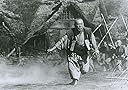
One of the most thrilling movie epics of all time, Seven Samurai ( Shichinin no samurai ) tells the story of a sixteenth-century village whose desperate inhabitants hire the eponymous warriors to protect them from invading bandits. This three-hour ride from Akira Kurosawaโfeaturing legendary actors Toshiro Mifune and Takashi Shimuraโseamlessly weaves philosophy and entertainment, delicate human emotions and relentless action, into a rich, evocative, and unforgettable tale of courage and hope. TWO-BLU-RAY SPECIAL EDITION FEATURES Unanimously hailed as one of the greatest masterpieces in the history of the motion picture, Seven Samurai has inspired countless films modeled after its basic premise. But Akira Kurosawa's classic 1954 action drama has never been surpassed in terms of sheer power of emotion, kinetic energy, and dynamic character development. The story is set in the 1600s, when the residents of a small Japanese village are seeking protection against repeated attacks by a band of marauding thieves. Offering mere handfuls of rice as payment, they hire seven unemployed "ronin" (masterless samurai), including a boastful swordsman (Toshiro Mifune) who is actually a farmer's son desperately seeking glory and acceptance. The samurai get acquainted with but remain distant from the villagers, knowing that their assignment may prove to be fatal. The climactic battle with the raiding thieves remains one of the most breathtaking sequences ever filmed. It's poetry in hyperactive motion and one of Kurosawa's crowning cinematic achievements. This is not a film that can be well served by any synopsis; it must be seen to be appreciated (accept nothing less than its complete 203-minute version) and belongs on the short list of any definitive home-video library. --Jeff Shannon Review: Fantastic Classic - Seven Samurai is widely considered to be one of the greatest movies of all time. The problem with timeless classics is that sometimes the legacy becomes bigger than the movie itself, and it gets placed on this pedestal that nothing can ever actually live up to. I tried to keep that in mind when watching this movie and not expect something unreasonable. With that perspective, I still have to say this is easily one of the best movies I have ever seen. The movie takes place in feudal Japan, primarily in a poor farming village. When a farmer happens to overhear that a gang of bandits plan to raid the village after their harvest, there is a huge uproar and the village is consumed with despair. They eventually decide to travel to a nearby city to find some samurai to assist them. Bit by bit they assemble a team, until they travel back to the village and prepare everyone for the upcoming raid. The depth of the movie is not done justice by a concise plot summary, though. The movie really explores its themes very well. The film examines class roles during feudal Japan, and not just โpeasants good, bandits bad, samurais badassโ as we might expect. For instance, when the samurai first come to the village, the villagers themselves hide and act only a little less scared of the samurai than the bandits. There is a lot of tension there and the film doesnโt really paint either group as โrightโ, but more so just shows them playing the social roles society expects and what influence that really has on them. Another idea this movie meditates on is that of combat. At first when we are introduced to the samurai in the movie, they are these impressive, noble figures. But as the movie goes on, we get a closer look at them and see that fighting is who they are. We see that being a "badass" isnโt something to emulate, because in the end all youโre left with are memories of loss and pain and you can never really be a part of the celebration. Your existence is just being involved in one conflict to the next until the day you die. A lot of these concepts sound familiar, and thatโs because they are. This movie was made in 1954 and has (along with other Kurosawa films) influenced cinema in countless ways, as well as inspired movies based directly off of it (ranging from Magnificent Seven to A Bugโs Life). There are so many things youโll see in this movie that youโll recognize from other movies, from cinematography techniques to plot devices, to themes, that I couldnโt even begin to list them here. Luckily, these are all executed with such nuance and skill that the movie never feels outdated. This movie is still great even by todayโs standards. Part of the reason the movie has so much depth is because of its length. At two hundred and seven minutes (that is three hours and twenty seven minutes), this movie goes on for quite a while. Even with long movies that I love there are usually points where I feel like the movie is dragging. This movie, however, is extremely well paced. None of the scenes included in the movie feel like fluff and everything is told in a grounded, yet interesting way. This is a movie that uses its long length to its strength (heh) and not to its detriment. The cast also does a fantastic job. Each person really played their roles well, especially Takashi Shimura and Toshiro Mifune, who are two actors Kurosawa collaborated with very often. Combined with excellent writing, the samurai are very compelling characters, though some feel a little less compelling than others. The villagers with named roles also do a solid job in all their rolls. While it is hardly a significant part of the film, the action is also well done. There is nothing flashy or gritty about the fighting that goes on in the movie. There are no crazy jumping attacks, duels between masters of the sword, fancy techniques, or lone samurai taking on an army single handedly. Just people rushing at each other with swords and spears. I personally liked it, but its definitely a matter of personal taste. In the end, this movie is one that has definitely earned its reputation as a โtimeless classicโ, which is no easy feat. Just be sure to remember that when you tune into this youโre still watching a movie and not some transcendent manifestation of artistic perfection. With all that in mind, this movie really has everything you could hope for, from light hearted to melancholy moments. Because of both the depth and breadth of this movie, it transcends its genre and therefore gets a 5. Review: "Again we are defeated. The winners are those farmers. Not us." - There are few directors who have had close to the lasting legacy that Japanese Akira Kurosawa has had. There have been many excellent film directors who have had a great influence on other directors, TV, Films and pop culture like George A. Romero, Steven Spielberg, Stanley Kubrick and Quentin Tarantion, but none has had the impact that Kurosawa has had on people, the media and pop culture and even these outstanding and influential directors were influenced by Kurosawa and his films and perhaps Kurosawa's greatest masterpiece and influential film is the Seven Samurai. The 1954 film is considered one of the most influential and best films on all time that has a lasting impact that has stood the test of time as well leaving an indelible mark on the entertainment world, but the film more than a excellently written story full of Samurai, action and drama as it deals with heavier topics than that as the Seven Samurai takes place in 1587 during the "Warring States Period". Since before the ลnin War (1467-1477) the Ashikaga Shogunate was in decline as Japan had erupted into a continuous civil war as lords fought for power. By then 1587 Japan was in total chaos which caused the rise of ruthless warlords, bandits, wondering Ronin (Samurai warriors without masters) rape, pillaging, death and class conflict which Kurosawa showcases in the Seven Samurai. The great script co-written by Kurosawa starts out in a small farming village in the mountains. The citizens of the village learn of a band of bandits plan to raid their village when their harvest is complete later in the year and take all the harvest and food they had worked so hard on during the year. Some of the villagers want to search for and hire some Ronin samurai, but others don't want outsiders like the samurai in the village and would rather appease the bandits, and even if they agreed to hire some samurai how could they pay them. The village was just some poor mountain farming village with nothing of real value to the likes of samurai. The village elder Gisaku (Kokuten Kodo) makes a decision to hire some Ronin Samurai, but only to "find hungry samurai." as the elder puts it. A small group of villagers goes in search of some hungry samurai, but get turned away again and again at every village and town they travel to until they meet the samurai Kambei Shimada (Takashi Shimura) a veteran and battle hardened samurai. It takes the villagers some time, but they manage to convince Shimada to help them and Shimada and the villagers go about recruiting other samurai for the mission. Shimada brings together a rag tag team of five other samurai along with the wannabe Kikuchiyo (Toshiro Mifune). The samurai team and villagers travel back to their village, but are not hailed as heroes and saviors and instead looked upon with distrust and suspicion. The villagers are wary of the samurai who they believe will eat what little foot they have left, sleep with their daughters and even take what they want like they bandits will who the villagers have hired the samurai to protect them from. The situation quickly worsens when the samurai learn that the villagers have robbed and killed other wondering Ronin, but it is Kikuchiyo who understands the villagers plight and puts his comrades in place explaining that the villagers have suffered so many hardships because of the noble and warrior classes that the villagers have been forced to do what they have to survive. Shimada and his fellow samurai come to a truce and begin to prepare for the coming raid of the bandits and through this begin to understand and even respect each other. When the bandits come the samurai and villagers are ready as they battle each other for two days and nights until the samurai and villagers manage to defeat the bandits, but at a high price for the samurai, for only three have survived in Kambei Shimada, Katsushirล Okamoto (Isao Kimura) and Shichirลji (Daisuke Katล). With their mission complete the three remaining samurai begin to leave the village with little or nothing to show for it and losing their friends and comrades, but Shimada and the three stop and look down at the village and the villagers who have gone back to their farming ways as if nothing has happened and then at the graves of their fallen comrades and says "Again we are defeated. The winners are those farmers. Not us." It is a fitting end to the Seven Samurai. The story is beautifully written and put to film, but admittedly when I first saw the Seven Samurai on AMC at the age of fourteen I didn't understand or know exactly what was going on. In school history classes didn't teach much about Japanese history outside of World War II, so all I had to go on was what I saw in films and anime. Still that didn't keep me from falling in love with the film. Who doesn't love samurai and a film about them along with action and killing? That along with the story made this one of my favorite films of all time and eventually made the Seven Samurai the greatest film of all time or at least in my opinion. With age came better knowledge and understanding of the film and the themes in it. Kurosawa's story does an exceptional job of showing off the tumultuous time period in Japanese history and the class conflict that came to life because of it. The lower class and poor felt betrayed, used and abandoned by the nobles and upper class of Japan as they used them for soldiers, taking their crops and taxing them with getting little or nothing in return yet Kurosawa's story also wonderfully display's their misconceptions on both the villagers and samurai's sides as well as showing both are human also. The lasting legacy from the Seven Samurai story in that it is the first film and one of the first stories about bringing together a group of men or women for a mission, and films and filmmakers have been using that concept since in the likes of The Dirty Dozen, Ocean's Eleven, The Guns of Navarone, A Bugs Life, Ronin and countless others. I guess I should point out a flaw with the story, which is extremely hard to find, but if there was one thing I could find is that the film is long at a running time of over three hours and methodically paced and I could see how some people might not like this style of filmmaking. I guess that is a flaw for some, but it isn't for me as the length and pace of the film didn't bother me at all. While the story was excellent, it would not have been so good without the remarkable acting by the Japanese cast. Takashi Shimura was outstanding as Kambei Shimada the wise leader as did Daisuke Katล who played Shichirลji another veteran samurai and Shimada's friend and lieutenant. Katล easily showcased his wonderful acting ability especially at the end of the film when he figured out he the war torn and battle hardened samurai had survived while all his younger comrades had perished. You could just tell from his display of emotion that he would have preferred to die in their place and to be honest I think he wanted to and maybe expected to die. Keiko Tsushima does a splendid acting job as Shino the daughter of a villager who falls in love with Katsushirล (Isao Kimura). Perhaps the backbone of the cast is Toshiro Mifune who played Kikuchiyo. Kikuchiyo is a would be samurai from a common birth who dreams of coming a samurai. Kikuchiyo is a lively and temperamental man who while wanting to become a samurai he also has come from the lower class and understands their plight. Mifune brilliantly brings his character to life and is perhaps the best all-around character in the film and that is lofty praise since all the characters are well written and all the actors and actresses to a tremendous job in their roles. With his direction of the Seven Samurai, Akira Kurosawa demonstrates the epitome of filmmaking. In the Seven Samurai Kurosawa shows growth is his directorial leadership, writing and organization from his earlier films such as Ikiru, The Quiet Duel and Rashomon. Akira Kurosawa helped write a unique and original story demonstrated his craft and leadership as he brought the story, actors, music and cinematography together perfectly to create an artistic masterpiece. With the Seven Samurai, Kurosawa truly put his stamp on filmmaking for generations to come. What more can be said about the Seven Samurai besides near that it is near perfection in filmmaking, but the Seven Samurai is more than that as it showcased a tumultuous Japan and the class conflict it brought with it along with an excellent and original story with compelling characters, beautiful cinematography and wonderfully choreographed action. People were captivated by the samurai of Japan before the Seven Samurai, but with the Kurosawa's Seven Samurai the samurai and their way of life were brought to the eyes of the world and the growing film audience in the United States and around the world. That is just one of many things that came out of the film along with the other points I talked about earlier, like the influence of the story as well as directing and filmmaking. I know the Seven Samurai is one the most beloved films of all time, but for me it is the greatest film of all time, and if the Kurosawa had never made the film I don't think we would have films like Star Wars, The Dirty Dozen, The Wild Bunch and The 13th Warrior, or at very least they would be very different from the films we have today. I without a doubt highly recommend the Seven Samurai, and is a must if you are a true fan of movies and the filmmaking process.


| Contributor | Akira Kurosawa, Atsushi Watanabe, Bokuzen Hidari, Daisuke Kato, Eijiro Tono, Fumiko Homma, Gen Shimizu, Haruo Nakajima, Ichiro Chiba, Isao Kimura, Isao Yamagata, Jiro Kumagai, Kamatari Fujiwara, Keiji Sakakida, Kichijiro Ueda, Ko (Isao) Kimura, Ko Kimura, Kokuten Kodo, Kuninori Kodo, Minoru Chiaki, Noriko Sengoku, Seiji Miyaguchi, Senkichi Omura, Shojiro Motoki, Sojin Jr., Takashi Shimura, Toranosuke Ogawa, Toshiro Mifune, Yoshio Inaba, Yoshio Kosugi, Yoshio Tsuchiya Contributor Akira Kurosawa, Atsushi Watanabe, Bokuzen Hidari, Daisuke Kato, Eijiro Tono, Fumiko Homma, Gen Shimizu, Haruo Nakajima, Ichiro Chiba, Isao Kimura, Isao Yamagata, Jiro Kumagai, Kamatari Fujiwara, Keiji Sakakida, Kichijiro Ueda, Ko (Isao) Kimura, Ko Kimura, Kokuten Kodo, Kuninori Kodo, Minoru Chiaki, Noriko Sengoku, Seiji Miyaguchi, Senkichi Omura, Shojiro Motoki, Sojin Jr., Takashi Shimura, Toranosuke Ogawa, Toshiro Mifune, Yoshio Inaba, Yoshio Kosugi, Yoshio Tsuchiya See more |
| Customer Reviews | 4.9 out of 5 stars 2,665 Reviews |
| Format | Black & White, Blu-ray, Full Screen, Mono, NTSC, Special Edition, Subtitled |
| Genre | Action & Adventure |
| Language | Japanese |
| Runtime | 3 hours and 27 minutes |
D**H
Fantastic Classic
Seven Samurai is widely considered to be one of the greatest movies of all time. The problem with timeless classics is that sometimes the legacy becomes bigger than the movie itself, and it gets placed on this pedestal that nothing can ever actually live up to. I tried to keep that in mind when watching this movie and not expect something unreasonable. With that perspective, I still have to say this is easily one of the best movies I have ever seen. The movie takes place in feudal Japan, primarily in a poor farming village. When a farmer happens to overhear that a gang of bandits plan to raid the village after their harvest, there is a huge uproar and the village is consumed with despair. They eventually decide to travel to a nearby city to find some samurai to assist them. Bit by bit they assemble a team, until they travel back to the village and prepare everyone for the upcoming raid. The depth of the movie is not done justice by a concise plot summary, though. The movie really explores its themes very well. The film examines class roles during feudal Japan, and not just โpeasants good, bandits bad, samurais badassโ as we might expect. For instance, when the samurai first come to the village, the villagers themselves hide and act only a little less scared of the samurai than the bandits. There is a lot of tension there and the film doesnโt really paint either group as โrightโ, but more so just shows them playing the social roles society expects and what influence that really has on them. Another idea this movie meditates on is that of combat. At first when we are introduced to the samurai in the movie, they are these impressive, noble figures. But as the movie goes on, we get a closer look at them and see that fighting is who they are. We see that being a "badass" isnโt something to emulate, because in the end all youโre left with are memories of loss and pain and you can never really be a part of the celebration. Your existence is just being involved in one conflict to the next until the day you die. A lot of these concepts sound familiar, and thatโs because they are. This movie was made in 1954 and has (along with other Kurosawa films) influenced cinema in countless ways, as well as inspired movies based directly off of it (ranging from Magnificent Seven to A Bugโs Life). There are so many things youโll see in this movie that youโll recognize from other movies, from cinematography techniques to plot devices, to themes, that I couldnโt even begin to list them here. Luckily, these are all executed with such nuance and skill that the movie never feels outdated. This movie is still great even by todayโs standards. Part of the reason the movie has so much depth is because of its length. At two hundred and seven minutes (that is three hours and twenty seven minutes), this movie goes on for quite a while. Even with long movies that I love there are usually points where I feel like the movie is dragging. This movie, however, is extremely well paced. None of the scenes included in the movie feel like fluff and everything is told in a grounded, yet interesting way. This is a movie that uses its long length to its strength (heh) and not to its detriment. The cast also does a fantastic job. Each person really played their roles well, especially Takashi Shimura and Toshiro Mifune, who are two actors Kurosawa collaborated with very often. Combined with excellent writing, the samurai are very compelling characters, though some feel a little less compelling than others. The villagers with named roles also do a solid job in all their rolls. While it is hardly a significant part of the film, the action is also well done. There is nothing flashy or gritty about the fighting that goes on in the movie. There are no crazy jumping attacks, duels between masters of the sword, fancy techniques, or lone samurai taking on an army single handedly. Just people rushing at each other with swords and spears. I personally liked it, but its definitely a matter of personal taste. In the end, this movie is one that has definitely earned its reputation as a โtimeless classicโ, which is no easy feat. Just be sure to remember that when you tune into this youโre still watching a movie and not some transcendent manifestation of artistic perfection. With all that in mind, this movie really has everything you could hope for, from light hearted to melancholy moments. Because of both the depth and breadth of this movie, it transcends its genre and therefore gets a 5.
J**N
"Again we are defeated. The winners are those farmers. Not us."
There are few directors who have had close to the lasting legacy that Japanese Akira Kurosawa has had. There have been many excellent film directors who have had a great influence on other directors, TV, Films and pop culture like George A. Romero, Steven Spielberg, Stanley Kubrick and Quentin Tarantion, but none has had the impact that Kurosawa has had on people, the media and pop culture and even these outstanding and influential directors were influenced by Kurosawa and his films and perhaps Kurosawa's greatest masterpiece and influential film is the Seven Samurai. The 1954 film is considered one of the most influential and best films on all time that has a lasting impact that has stood the test of time as well leaving an indelible mark on the entertainment world, but the film more than a excellently written story full of Samurai, action and drama as it deals with heavier topics than that as the Seven Samurai takes place in 1587 during the "Warring States Period". Since before the ลnin War (1467-1477) the Ashikaga Shogunate was in decline as Japan had erupted into a continuous civil war as lords fought for power. By then 1587 Japan was in total chaos which caused the rise of ruthless warlords, bandits, wondering Ronin (Samurai warriors without masters) rape, pillaging, death and class conflict which Kurosawa showcases in the Seven Samurai. The great script co-written by Kurosawa starts out in a small farming village in the mountains. The citizens of the village learn of a band of bandits plan to raid their village when their harvest is complete later in the year and take all the harvest and food they had worked so hard on during the year. Some of the villagers want to search for and hire some Ronin samurai, but others don't want outsiders like the samurai in the village and would rather appease the bandits, and even if they agreed to hire some samurai how could they pay them. The village was just some poor mountain farming village with nothing of real value to the likes of samurai. The village elder Gisaku (Kokuten Kodo) makes a decision to hire some Ronin Samurai, but only to "find hungry samurai." as the elder puts it. A small group of villagers goes in search of some hungry samurai, but get turned away again and again at every village and town they travel to until they meet the samurai Kambei Shimada (Takashi Shimura) a veteran and battle hardened samurai. It takes the villagers some time, but they manage to convince Shimada to help them and Shimada and the villagers go about recruiting other samurai for the mission. Shimada brings together a rag tag team of five other samurai along with the wannabe Kikuchiyo (Toshiro Mifune). The samurai team and villagers travel back to their village, but are not hailed as heroes and saviors and instead looked upon with distrust and suspicion. The villagers are wary of the samurai who they believe will eat what little foot they have left, sleep with their daughters and even take what they want like they bandits will who the villagers have hired the samurai to protect them from. The situation quickly worsens when the samurai learn that the villagers have robbed and killed other wondering Ronin, but it is Kikuchiyo who understands the villagers plight and puts his comrades in place explaining that the villagers have suffered so many hardships because of the noble and warrior classes that the villagers have been forced to do what they have to survive. Shimada and his fellow samurai come to a truce and begin to prepare for the coming raid of the bandits and through this begin to understand and even respect each other. When the bandits come the samurai and villagers are ready as they battle each other for two days and nights until the samurai and villagers manage to defeat the bandits, but at a high price for the samurai, for only three have survived in Kambei Shimada, Katsushirล Okamoto (Isao Kimura) and Shichirลji (Daisuke Katล). With their mission complete the three remaining samurai begin to leave the village with little or nothing to show for it and losing their friends and comrades, but Shimada and the three stop and look down at the village and the villagers who have gone back to their farming ways as if nothing has happened and then at the graves of their fallen comrades and says "Again we are defeated. The winners are those farmers. Not us." It is a fitting end to the Seven Samurai. The story is beautifully written and put to film, but admittedly when I first saw the Seven Samurai on AMC at the age of fourteen I didn't understand or know exactly what was going on. In school history classes didn't teach much about Japanese history outside of World War II, so all I had to go on was what I saw in films and anime. Still that didn't keep me from falling in love with the film. Who doesn't love samurai and a film about them along with action and killing? That along with the story made this one of my favorite films of all time and eventually made the Seven Samurai the greatest film of all time or at least in my opinion. With age came better knowledge and understanding of the film and the themes in it. Kurosawa's story does an exceptional job of showing off the tumultuous time period in Japanese history and the class conflict that came to life because of it. The lower class and poor felt betrayed, used and abandoned by the nobles and upper class of Japan as they used them for soldiers, taking their crops and taxing them with getting little or nothing in return yet Kurosawa's story also wonderfully display's their misconceptions on both the villagers and samurai's sides as well as showing both are human also. The lasting legacy from the Seven Samurai story in that it is the first film and one of the first stories about bringing together a group of men or women for a mission, and films and filmmakers have been using that concept since in the likes of The Dirty Dozen, Ocean's Eleven, The Guns of Navarone, A Bugs Life, Ronin and countless others. I guess I should point out a flaw with the story, which is extremely hard to find, but if there was one thing I could find is that the film is long at a running time of over three hours and methodically paced and I could see how some people might not like this style of filmmaking. I guess that is a flaw for some, but it isn't for me as the length and pace of the film didn't bother me at all. While the story was excellent, it would not have been so good without the remarkable acting by the Japanese cast. Takashi Shimura was outstanding as Kambei Shimada the wise leader as did Daisuke Katล who played Shichirลji another veteran samurai and Shimada's friend and lieutenant. Katล easily showcased his wonderful acting ability especially at the end of the film when he figured out he the war torn and battle hardened samurai had survived while all his younger comrades had perished. You could just tell from his display of emotion that he would have preferred to die in their place and to be honest I think he wanted to and maybe expected to die. Keiko Tsushima does a splendid acting job as Shino the daughter of a villager who falls in love with Katsushirล (Isao Kimura). Perhaps the backbone of the cast is Toshiro Mifune who played Kikuchiyo. Kikuchiyo is a would be samurai from a common birth who dreams of coming a samurai. Kikuchiyo is a lively and temperamental man who while wanting to become a samurai he also has come from the lower class and understands their plight. Mifune brilliantly brings his character to life and is perhaps the best all-around character in the film and that is lofty praise since all the characters are well written and all the actors and actresses to a tremendous job in their roles. With his direction of the Seven Samurai, Akira Kurosawa demonstrates the epitome of filmmaking. In the Seven Samurai Kurosawa shows growth is his directorial leadership, writing and organization from his earlier films such as Ikiru, The Quiet Duel and Rashomon. Akira Kurosawa helped write a unique and original story demonstrated his craft and leadership as he brought the story, actors, music and cinematography together perfectly to create an artistic masterpiece. With the Seven Samurai, Kurosawa truly put his stamp on filmmaking for generations to come. What more can be said about the Seven Samurai besides near that it is near perfection in filmmaking, but the Seven Samurai is more than that as it showcased a tumultuous Japan and the class conflict it brought with it along with an excellent and original story with compelling characters, beautiful cinematography and wonderfully choreographed action. People were captivated by the samurai of Japan before the Seven Samurai, but with the Kurosawa's Seven Samurai the samurai and their way of life were brought to the eyes of the world and the growing film audience in the United States and around the world. That is just one of many things that came out of the film along with the other points I talked about earlier, like the influence of the story as well as directing and filmmaking. I know the Seven Samurai is one the most beloved films of all time, but for me it is the greatest film of all time, and if the Kurosawa had never made the film I don't think we would have films like Star Wars, The Dirty Dozen, The Wild Bunch and The 13th Warrior, or at very least they would be very different from the films we have today. I without a doubt highly recommend the Seven Samurai, and is a must if you are a true fan of movies and the filmmaking process.
F**T
Wow! I've Finally Seen The Best Film Ever Made In Blu-Ray!
This is only the 4th Criterion Blu-Ray release that I've seen after M (The Criterion Collection) [Blu-ray ], Modern Times (The Criterion Collection) [Blu-ray ] and Stagecoach (The Criterion Collection) but it is by far the best overall release that I've seen so far. This version of "Seven Samurai" firstly comes in a beautiful mostly cardboard digipak format with an excellent 56-page booklet containing great essays and even Mifune "in his own words" which in itself is worth the price. We get two discs here: one of the great film and the other full of special features the highlights of which are the Kurosawa interviews. The picture quality is excellent having been very, very well restored and while not pristine perfect is still very good to watch and one cannot overstate just how much better black and white films look on 1080p. The sound quality is also good although personally I would have liked to have had a DTS HD MA lossless 5.1 surround option but perhaps this mono is the best they could do. The box states that this option DTS-HD is available but I couldn't find it when I tried looking for it in the setup menu. I was able to get this option with the many other blu-rays that I have but not this one and so it is not an equipment setup issue; perhaps I just got a bad disc or maybe it's just false advertising. I had to just watch the Japanese LPCM Mono version which again is not bad but I believe could be better. It is a testament to the brilliance of this film that despite the fact that it runs more than 3 hours, I did not suffer the squeaky bum syndrome as I really enjoyed it so much that I wasn't aware of the time; in fact I was disappointed when it ended. I also didn't like the intermission at around the 1 and a half hour mark as I just wanted to continue watching. I've seen many films: "Casablanca", "Citizen Kane" etc but I have to say that "Seven Samurai" overall is the best I've seen so far. I'm planning to watch "Seventh Seal" soon but until then, this is the best I've seen. It's just great film-making from every possible angle of evaluation. Kurosawa has often stated that he's a fan of Westerns and of John Ford and you actually see the influence here as when I was watching parts of this film like at the start when the farmers and a couple of samurai were walking into town and making a barn their temporary base of operations it felt just like watching a John Ford western. How ironic that a John Ford western inspires a Japanese samurai film which goes back to inpiring the "Magnificent Seven" and "The Wild Bunch" westerns! I loved the theme of the film of how doing the right thing for the sake of honor, integrity and the service of others is the ultimate reward in itself and is the bushido spirit in its purest form; to defend those who cannot defend themselves without expecting anything in return and that self-sacrificing spirit makes this the ultimate good versus evil film for me. Mifune is the most famous of the actors here but truly all the actors are excellent making this the lastest addition of the very few films that I look forward to watching on my annual classic film viewing list and there are not many of these at this point. Simply astounding and a must-have in any self-respecting movie fan's video library. Very, very, highly recommended!
C**.
Masterful in 4k
The Criterion 4K release of Akira Kurosawa's Seven Samurai isn't just a movie; it's a cinematic pilgrimage, now in glorious, eye-watering detail. If you thought this nearly four-hour masterpiece couldn't get any more epic, prepare to have your socks knocked off by the stunning new 4K restoration. Every grain of rice, every weathered face, and every torrential raindrop in that legendary final battle is rendered with astonishing clarity, making the film feel simultaneously timeless and brand new. Criterion, as always, treats this classic with the reverence it deserves. The transfer is immaculate, showcasing incredible depth and a nuanced grayscale that truly brings out the artistry of the cinematography. And the special features are, as expected, a treasure trove. You'll get multiple commentaries, extensive documentaries delving into the film's origins and influence, and even a two-hour conversation with Kurosawa himself. This isn't just a physical media release; it's a comprehensive masterclass on a film that continues to inspire. Be warned: once you see Seven Samurai in this pristine 4K, all other black-and-white films might just look a little... peasant-like.
T**D
The 2010 Criterion edition is fantastic!
Apart from the quality of the film (widely regarded as one of the greatest) and the quality of the transfer (excellent, as others have detailed), the 2010 Criterion package provides a selection of top quality commentaries and extras. I'm not quite a raw novice at film, but I'm no expert either. I've found the supplemental material in Criterion's package extremely valuable, far more so than I've come to expect from the typical Blu-ray package. Beyond the film itself, the Criterion edition provides a selection of essays in the printed booklet, two complete audio commentaries that run alongside the film, and a selection of videos and stills on a supplemental disc. All of them are at least worthwhile, and some are phenomenal - far better overall than the lackluster and haphazard extras that are thrown in on most major studios' releases. The essays are brief but diverse, and they're nice if you want a broader perspective on the film without investing the time in a 3+ hour audio commentary. They're good for reading before, during, or after viewing the film. The "making-of" and other background material on the supplemental disc is engaging and focused, unlike many similar extras I've seen that pack 5 minutes of insight into a 30 minute package. And the audio commentary - again, unlike many - is insightful and carefully considered, a real aid to understanding Kurosawa's craft as well as that of his actors. The first commentary track is a round table of 7 film scholars, with diverse interests in the film. I found one of them to be tedious and overly academic, but the rest provided valuable insights and a couple of them were wonderful. The second commentary, entirely by scholar Michael Jeck, I haven't finished yet, but it appears even more focused and revealing than the round table. I will update this review later when I finish it, but I felt so impressed by the overall package that I wanted to post something now. (update: The rest of the Jeck review is just as great. It's easily the best commentary in the package. Very insightful.) Again, I am by no means a scholar of film, but I know some of the basics and have seen some of the historically and critically significant ones. For those like me that want to learn more about camera work, historical context, editing, etc., I can't recommend this release enough. It is easily worth the premium that Criterion releases command. I only own a couple other Criterions and haven't explored those as thoroughly - I can only hope they're all as valuable as this one is.
O**E
"This is the nature of war. By protecting others, you save yourself."
Considered one of the most influential movies of all time, Kurosawa's "Seven Samurai" is both revered and often imitated. The film covers virtually the complete range of humanity both bad and good in its almost three and a half hour run time. From farmers who are terrified, with no self-confidence and with a lot of self-loathing to the heights of their bravery and self-sacrifice to highly honorable Samurai that have sunk so low in their careers that just getting fed three warm meals a day and a roof over their heads is enough payment for their services. Each of the seven samurai have distinct personalities, weaknesses and strengths. From the wise, stable old leader Kambei to the very young hero-worshipping novice Katsushiro to the class clown samurai Kikuchiyo who is a little more than he seems. This is an eminently entertaining and highly watchable action film whose long run time easily flows by. As is usual, this Criterion collection Blu-ray is an excellent product. With the original negative long gone, a copy negative was created using extremely high-end remastering techniques. The result is actually quite good with only a few instances of minor damage marks around the edges and some "streaking" noise on rare occasion. The vast majority of the film has nice tight grain with great, solid greyscale and easy to see detail in facial expressions, clothing and interior village shots. Both a mono and a "stereo" soundtrack are provided. The 2.0 track has fuller overall sound, but absolutists will probably prefer the original mono. Dialog and music are solid with effects well heard while still sometimes a little edgy and thin. It's just the nature of the original sound. Fantastic supplements abound with a 30+ page booklet and many interviews and documentaries loaded on a separate Blu-ray. This is an essential and easy addition to anyone's collection!
R**E
Classic
Classic! Should be on every ones list of movies to watch before you die!
Z**B
About Collector's Box Set
Just as pictured above, the collector's boxset comes in a black box containing 2 items. The first item is a supplemental booklet containing film pictorials and literature about the history of Samurai, Japanese movie making, etc. It's informative and interesting, however, a one-time read. The second item is a foldout case film pictorial with 3 DVDs that resemble umbrellas from top view with their own distinct colors to distinguish their content. Overall design style gives one the mood of the film in mind. The 1st disc contains the first half of the film up to the intermission and the picture quality compared to the 1998 Criterion is undeniably superior. The film itself is in its original 1.33:1 aspect ratio with slight borders around the frame inorder for better viewing with most monitors. This edition contains the original mono sound track as well as a new stereo sound track, however, I prefer the original mono due to being an enthusiast. There are also two commentary selections. One is the original 1988 commentary of Michael Jeck from the 1998 Criterion, which is fantastic! The second commentary is comprised of 5 film scholars, and each are given roughly 40 minutes of commentary spotlight in various parts of the film, which is also fantastic! Listening to both commentaries gives you a greater understanding of this superb film. The first disc also contains some production photos from the film as well as some posters of the film from several countries. The second disc contains the second half of the film right after the intermission with the continuation of the audio tracks. This second disc contains an extra feature called "It Is Wonderful To Create", which is a 55 minute documentary of Akira Kurosawa's films with his collaborators. The third disc contains a two hour interview with Akira Kurosawa as well as origins and influences of how this film came to fruition. I really wanted to see more interviews from the stars themselves, especially the great Toshiro Mifune. The third disc will probably be a one-time view. I believe, Criterion could've contained the film in its entirety on one disc and included all the extra features on the second disc inorder to streamline this otherwise great release. Overall, an extremely satisfying new release of Seven Samurai that should definitely be included in any fans dvd collection. I have watched this film over a dozen times with great joy and satisfaction and now I can enjoy it even more with this wonderful collector's edition!
S**T
INTEGRALE
La prima volta che guardai "I Sette Samurai", trovai qualcosa che non andava, non sapevo bene cosa. Quando scoprii che avevano decurtato circa un'ora dall'edizione italiana, tutto mi fu subito chiaro. Raccomandata edizione Criterion, molto bella, come al solito secondo lo standard di questa collana di capisaldi della cinematografia mondiale. Al solito, attenzione all'audio giapponese con sottotitoli inglesi; per il resto, buona visione.
V**Y
Great 4k samurai movie
One of the greatest cinematic movies now in 4k. Can't get better than this. Must watch for any movie fanatics.
P**)
Amazing restoration of one of the great action films of all time
This review is for the Criterion Collection US import (region A) blu-ray. An important note: if your blu-ray player is not region A or multi-region, this disc won't play as I found out. I literally had to buy a new blu-ray player to watch it, but it was worth it. There are many far better reviews than I could write for this classic film so I will simply review this particular release. I already own the BFI DVD version which is 190 minutes long whereas this Criterion version is 207 minutes long so this is a more complete cut of the original film. Criterion have done an incredible restoration job. The picture is clean and stable, there is some occasional light grain but it's subtle and rarely noticeable most of the time. I'm glad to say there is no obvious digital noise reduction (DNR) which has caused some controversy with certain 4K releases of other films. There are occasional scratches and marks on the film but they don't detract from the viewing experience. In fact it's the opposite, you feel like you're seeing it exactly as it should be. And the close-ups of faces is amazing. You can see so much detail, it sometimes looks like it was filmed yesterday. And this is a film that was made over 70 years ago! The audio is also excellent. It's a little bass-heavy which is typical of old audio recordings on magnetic tape but again it's clean with no hiss or distortion and the orchestral soundtrack has never sounded so good. It's clearly been a labour of love and thank goodness because apparently the original film negatives can no longer be found. So the new digital intermediate created as part of the restoration process will preserve this important film for future generations to enjoy.
P**E
Seven Samurai
Amazing classic film restored with great informative special features and booklet. The film looks in wonderful condition.
A**A
Region locked for US/Canada
The Blu-ray is region locked for US and Canada. The description on Amazon.nl โ Dutch website! โ does not mention it.
Trustpilot
3 weeks ago
1 week ago