






ICON Eugen Jochum
Product ID: 113484366
Desertcart purchases this item on your behalf and handles shipping, customs, and support to Malaysia.
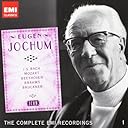
In 1926 Eugene Jochum made his successful concert debut as a conductor. He acquired a repertory of over 50 operas and conducted concerts all over Germany. The acknowledgment of his excellence led to his appointment as musical director for Berlin radio. His reputation grew particularly in the field of the German Romantic Symphonies of Beethoven, Brahms and Bruckner and was presented with the Brahms medal by the city of Hamburg. This series is a compilation of his complete EMI recordings delivered with exceptional audio quality and artistic integrity. Review: An "Icon" Indeed - While the EMI (now Warner) "Icon" Series has proven very variable, there should be absolutely no hesitation here. This is a magnificent box bringing together all the wok Jochum did for EMI during his "Indian Summer" years from 1976-1980. The Beethoven cycle is magnificent and it's amazing that it took EMI this long to issue it in its entirety. Disky did a good job some years back, but that release was quickly withdrawn. While this is definitely "big band" Beethoven, Jochum keeps textures and tempos remarkably fluid. He's very scrupulous about repeats. I can't think of a single performance among the nine which isn't truly fine. I've even come to understand Jochum's view that No. 4 isn't a "little" score after all, and he was remarkable over the years in sustaining that view. The jewel in this crown is undoubtedly this glorious Fifth, but as I say, this entire cycle is a winner. The Brahms was never a favorite of mine when first issued, but the lighter textures and fairly swift tempos Jochum adopts grew on me over the years and I would single out Nos. 2 and 4 for special praise. But this too (along with the Overtures) is, like the Beethoven, a very fine cycle. It should be noted that what helps to make these two cycles so thoroughly splendid is the glorious playing of two of London's top orchestras, and the really excellent sound. Time and again I am always drawn into the Beethoven because of the outstanding playing of the LSO. The sound was the work of the now legendary pair of "Two Christophers", Bishop and Parker, working in the resplendent acoustics of the Kingsway Hall. Often I wondered how this EMI Jochum Bruckner cycle would have sounded had it been played by the LSO (probably near-definitive) but, alas, that was not to be. Funding came in part from the now defunct East German VEB label, and naturally they were eager to promote an East German Orchestra. Leipzig was already working on Bruckner, so it was Dresden. While I still strongly prefer Jochum's DG 1, 4, 7 & 9 with Berlin, the Dresden 2 (pity it's Nowak, however!) and 5 are very fine indeed, helped by the latest (1980) recordings which sound better than the rest. I also prefer Dresden 8. Jochum's earlier 8 with Berlin for DG was surprisingly tense sounding, and the Dresden is much better paced overall. Also, DG had recorded No. 8 in the then newly finished Philharmonie, and the sound was terrible. It's little wonder that the rest of the Bruckner Jochum did with Berlin for DG was back in the Jesus Christus Kirche. The massed Dresden brass (no small thing in Bruckner) can sound rather blowsy, often recalling a military brass band. But, I don't want to make too much of this as personal taste becomes a factor. This box comes into almost direct competition with the recently issued DG box, and at present, the prices are nearly identical and the EMI contains some very fine Mozart and a good Bach b minor Mass as well. While the Bruckner maight be a "tossup" (I'd give DG a score of 6, the EMI 5 in overall readings) the Beethoven and Brahms in the DG box I think will be more to the taste of the "specialist" than to that of someone just wanting good solid performances in stereo sound. While there are some good things in Jochum's DG Beethoven and Brahms, you'll have to put up with less than good sound. Some of the Berlin recordings in the DG box date from the early 1950's when Furtwaengler was still alive the the orchestra was very much still his. Also interesting is the fact that while Jochum was always welcome in Berlin while Furtwaengler was still there, a certain Austrian was not! Why, in heaven's name, didn't DG include Jochum's fine Haydn done with the LPO at around the very same time he was doing his Beethoven and Brahms for EMI? It certainly would have made the DG box more desirable. But, make no mistake, this fine EMI box is not to be missed if you are interested in a "cornerstone" for your library. Review: the price was worth it for the Brahms 4 alone - a wonderful performance. The Beethoven symphonies proved to be as ... - I already had the Bruckner recordings and Brahms 1-3, so why buy this? Well, the price was worth it for the Brahms 4 alone - a wonderful performance. The Beethoven symphonies proved to be as good. I was especially surprised by the Pastoral - the 'Scene by the Brook' usually makes me nod off eventually (even Bohm) but not here - Jochum brings air and light into the score (as well as water!) and kept my interest throughout; wonderful woodwind. The 9th was as incandescent as one could wish - indeed, I was surprised that some movements were faster than in the recent Haitink LSO recording. The overtures are wonderful too. I reckon these performances could scarcely be bettered. Pity the Brahms and Bruckner have not been remastered - generally good sound but still a rather horrid opening to Brahms 1 and the wonderful Bruckner 9 seems shallower in recording than some of the others. Apart from just a little edge on the string tone the Beethoven recordings are very impressive and the choral contribution to the 9th very present and exciting. I haven't got round to the Bach or Mozart yet! Everyone should have this set.
R**K
An "Icon" Indeed
While the EMI (now Warner) "Icon" Series has proven very variable, there should be absolutely no hesitation here. This is a magnificent box bringing together all the wok Jochum did for EMI during his "Indian Summer" years from 1976-1980. The Beethoven cycle is magnificent and it's amazing that it took EMI this long to issue it in its entirety. Disky did a good job some years back, but that release was quickly withdrawn. While this is definitely "big band" Beethoven, Jochum keeps textures and tempos remarkably fluid. He's very scrupulous about repeats. I can't think of a single performance among the nine which isn't truly fine. I've even come to understand Jochum's view that No. 4 isn't a "little" score after all, and he was remarkable over the years in sustaining that view. The jewel in this crown is undoubtedly this glorious Fifth, but as I say, this entire cycle is a winner. The Brahms was never a favorite of mine when first issued, but the lighter textures and fairly swift tempos Jochum adopts grew on me over the years and I would single out Nos. 2 and 4 for special praise. But this too (along with the Overtures) is, like the Beethoven, a very fine cycle. It should be noted that what helps to make these two cycles so thoroughly splendid is the glorious playing of two of London's top orchestras, and the really excellent sound. Time and again I am always drawn into the Beethoven because of the outstanding playing of the LSO. The sound was the work of the now legendary pair of "Two Christophers", Bishop and Parker, working in the resplendent acoustics of the Kingsway Hall. Often I wondered how this EMI Jochum Bruckner cycle would have sounded had it been played by the LSO (probably near-definitive) but, alas, that was not to be. Funding came in part from the now defunct East German VEB label, and naturally they were eager to promote an East German Orchestra. Leipzig was already working on Bruckner, so it was Dresden. While I still strongly prefer Jochum's DG 1, 4, 7 & 9 with Berlin, the Dresden 2 (pity it's Nowak, however!) and 5 are very fine indeed, helped by the latest (1980) recordings which sound better than the rest. I also prefer Dresden 8. Jochum's earlier 8 with Berlin for DG was surprisingly tense sounding, and the Dresden is much better paced overall. Also, DG had recorded No. 8 in the then newly finished Philharmonie, and the sound was terrible. It's little wonder that the rest of the Bruckner Jochum did with Berlin for DG was back in the Jesus Christus Kirche. The massed Dresden brass (no small thing in Bruckner) can sound rather blowsy, often recalling a military brass band. But, I don't want to make too much of this as personal taste becomes a factor. This box comes into almost direct competition with the recently issued DG box, and at present, the prices are nearly identical and the EMI contains some very fine Mozart and a good Bach b minor Mass as well. While the Bruckner maight be a "tossup" (I'd give DG a score of 6, the EMI 5 in overall readings) the Beethoven and Brahms in the DG box I think will be more to the taste of the "specialist" than to that of someone just wanting good solid performances in stereo sound. While there are some good things in Jochum's DG Beethoven and Brahms, you'll have to put up with less than good sound. Some of the Berlin recordings in the DG box date from the early 1950's when Furtwaengler was still alive the the orchestra was very much still his. Also interesting is the fact that while Jochum was always welcome in Berlin while Furtwaengler was still there, a certain Austrian was not! Why, in heaven's name, didn't DG include Jochum's fine Haydn done with the LPO at around the very same time he was doing his Beethoven and Brahms for EMI? It certainly would have made the DG box more desirable. But, make no mistake, this fine EMI box is not to be missed if you are interested in a "cornerstone" for your library.
L**S
the price was worth it for the Brahms 4 alone - a wonderful performance. The Beethoven symphonies proved to be as ...
I already had the Bruckner recordings and Brahms 1-3, so why buy this? Well, the price was worth it for the Brahms 4 alone - a wonderful performance. The Beethoven symphonies proved to be as good. I was especially surprised by the Pastoral - the 'Scene by the Brook' usually makes me nod off eventually (even Bohm) but not here - Jochum brings air and light into the score (as well as water!) and kept my interest throughout; wonderful woodwind. The 9th was as incandescent as one could wish - indeed, I was surprised that some movements were faster than in the recent Haitink LSO recording. The overtures are wonderful too. I reckon these performances could scarcely be bettered. Pity the Brahms and Bruckner have not been remastered - generally good sound but still a rather horrid opening to Brahms 1 and the wonderful Bruckner 9 seems shallower in recording than some of the others. Apart from just a little edge on the string tone the Beethoven recordings are very impressive and the choral contribution to the 9th very present and exciting. I haven't got round to the Bach or Mozart yet! Everyone should have this set.
M**G
EMI Box of superb music
I thought ,I was buying Eugene Ormandy the Philadelphia cheese conductor who does excellent work of Bruckner, That is the danger of ordering late night and tired, but no this time ,because of the Beethoven's with the LSO I decided To open the box and glad I did , after tasting the sweet strings of the LSO,the LPO does another acceptable job of The Brahms Symphonies, then with the Dresden Orchestra the Bruckner symphonies are a delight, This is all full works box sets three major composers complete set symphonies,even if like myself you have the works By other artists , at less than £2 per cd, just to own this box ten times better than a crate of beer.
R**N
Majestic tribute to a great conductor!
This 20CD set brings Eugen Jochum's various EMI recordings together in one collection for the first time. This includes the 'lost' Beethoven cycle with the LSO, majestic Brahms with the London Philharmonic and his outstanding Dresden Staatskapelle set of the Bruckner Symphonies. These recordings all date from the late 1970s and mark what was to be this great conductor's own 'Indian Summer' in the recording studio (contemporary with another great EMI maestro, Sir Adrian Boult). Jochum was among several German conductors (including Kempe and Sawallisch) whom EMI engaged to fill the void left by Klemperer: a high priest of the central symphonic repertoire to rival Karajan on DG. Many of these Jochum recordings were critically acclaimed on initial LP release but for some reason did not enjoy the circulation they deserved. Indeed, the Beethoven cycle has been missing for years, turning up briefly about 10 years ago complete on CD on a small budget label. The Brahms has fared better, despite a clumsy coupling across two 'double forte' sets with Tennstedt's controversial 'Deutsches Requiem'. However, the Bruckner has remained a firm, bestselling favorite here on Amazon and elsewhere in a competitively priced budget set. Now, ALL of these powerful and highly individual interpretations recorded in rich, full-bodied late analogue, make for a wonderful compendium for both this conductor's many admirers and as a great introduction to these cornerstones of orchestral literature. With Jochum's spiritually charged Munich recordings of the Bach B Minor Mass and Mozart's Coronation Mass as hefty bonus items, this set merits the highest recommendation.
R**S
Glorious conducting! - and an amazing bargain
There is no need to go into a detailed analysis of this splendid set of recordings - addressing each work one by one. The reason is the consistency of conducting. These are glorious performances and are evidence of what many of us always believed, that Eugen Jochum was second to none as a conductor of this central repertoire. There is a glow and warmth to the conducting - and a sensitive flexibility, never excessive but always alert and alive. The orchestral balances are deeply understanding - often revealling significance details, frequently in the instruments with lower registers, introducing colours often absent from less thoughtful interpretations. The overwhelming impression - one that is no less true because it has often been observed - is of vital and responsive performances that are built on the foundation of deep spirituality. The Beethoven, Brahms and Bruckner cycles are as excellent as any in the catalogue. The Bach a performance to treasure. Emphatically recommended!
F**S
Beethoven, Brahms and Bruckner cycles not to be missed
A treasure. Particularly for the 3 complete symphonic cycles of Beethoven, Brahms and Bruckner. The Beethoven one, remastered in 2012, is a rare gem, and was very hard to find for several years and expensive too. The other sets were previously available separately in various editions. Just a few comparisons with Jochum's earlier sets: BEETHOVEN: The 9 Symphonies are treated in the grand manner: the monumental and solemn sound is highly effective, thanks to Jochum's employing of the full string forces. This LSO Eroica is imposing and with clear texture (and is far superior to the 1969 Concertgebouw/Philips version). Perhaps the 1954 Berliner Philharmoniker/DG is a little bit more granitic and urgent, but here Jochum offers a sublime reading. The 4th has prominent brass and is as excellent as the Berliner Philharmoniker/DG version. The 5th symphony is highly spiritual, with more massive and imposing sound than the DG version with the Symphonieorchester des Bayerischen Rundfunks (1960); and the finale has all the repeats. The symphony, in this London version, sounds marvelous and advances inesorably to the massive finale, but without rushing. However, in my opinion, Jochum's best Beethoven 5th is a 1952 Philips recording with the Berliner Philharmoniker, remastered and reissued in 1997 by Tahra (and coupled with a magnificent Schubert 8th with the Concertgebouworkest): propulsive first movement, inesorable finale, absolute clarity of orchestral texture, heroism under powerful control (avoiding sterile bombast). BRAHMS: The great mono set with the Berliner Philharmoniker (DG, 1951-56) has highly spirited performances; my favourite is the exciting 2nd. This London Philharmonic set has his treasure in an imposing first and a beautiful fourth (the andante moderato is especially moving). A lively Academic and a dark and profund Tragic have not to be missed as well. BRUCKNER: Finally, a quick comparison with the famous DG set: I will focuse on the 9th Symphony only. Jochum recorded his first stereo studio version in 1966, with the Berliner Philharmoniker and this one in January 1978 with the Staatskapelle Dresden. Both versions are quite similar in tempos but significantly different in the orchestral sound: the 1966 version, thanks to the supreme Berliner strings, is very polished, solemn and monumental, particularly in the Adagio. I personally prefer this Dresden version however: the wild sound of the brass is certainly less refined than the Berliners and the orchestral tones are more "barbaric" (if I can use this word). But thanks to Jochum's powerful and tragic vision of the symphony, this apparent lack of finesse is masterly used to explore the immense sadness of this works, that marks the farewell to life. Jochum's famous ability in forward motion is highly effective here: the first two movements of the symphony flows relentlessly and only at the end of the Adagio, a quiet and delicate sense of peacefulness appears in the very last notes. For me a very moving listening experience. The Bach Mass in B minor and Mozart Coronation Mass and Vespers show us the magistery of Jochum in the sacre music repertoire: high spirituality but also operatic and dance-oriented gesture (as example for this kind of conducting, I suggest his superlative live 1950 Munich recording of Verdi's Requiem, coupled with a 1954 Bruckner Te Deum, issued by Orfeo in 1989). Eugen Jochum needs, in my opinion, a full revaluation of his entire career, and this 20cd box, with his interesting booklet notes, certainly gives the possibility to explore and have a quite complete panorama of this master's conducting art in the 1970s. 20cd box. Stereo ADD / DDD (Bach's Mass) P.S. 2014: Two years after this box appeared, Deutsche Grammophon has issued his own tribute to Eugen Jochum: a 16cd box with the 3 complete symphony cycles of Beethoven, Brahms and Bruckner (see my review). Even if it contains less music selections than EMI (unfortunately none of Jochum's marvelous Mozart from the Fifties is included), I consider it complementary and the price, at least in Europe, is very competitive (about 30 EUR / 40 $)
Trustpilot
3 weeks ago
2 months ago