We remain fully operational. Our teams are working around the clock to ensure your deliveries continue safely.

下载应用程序


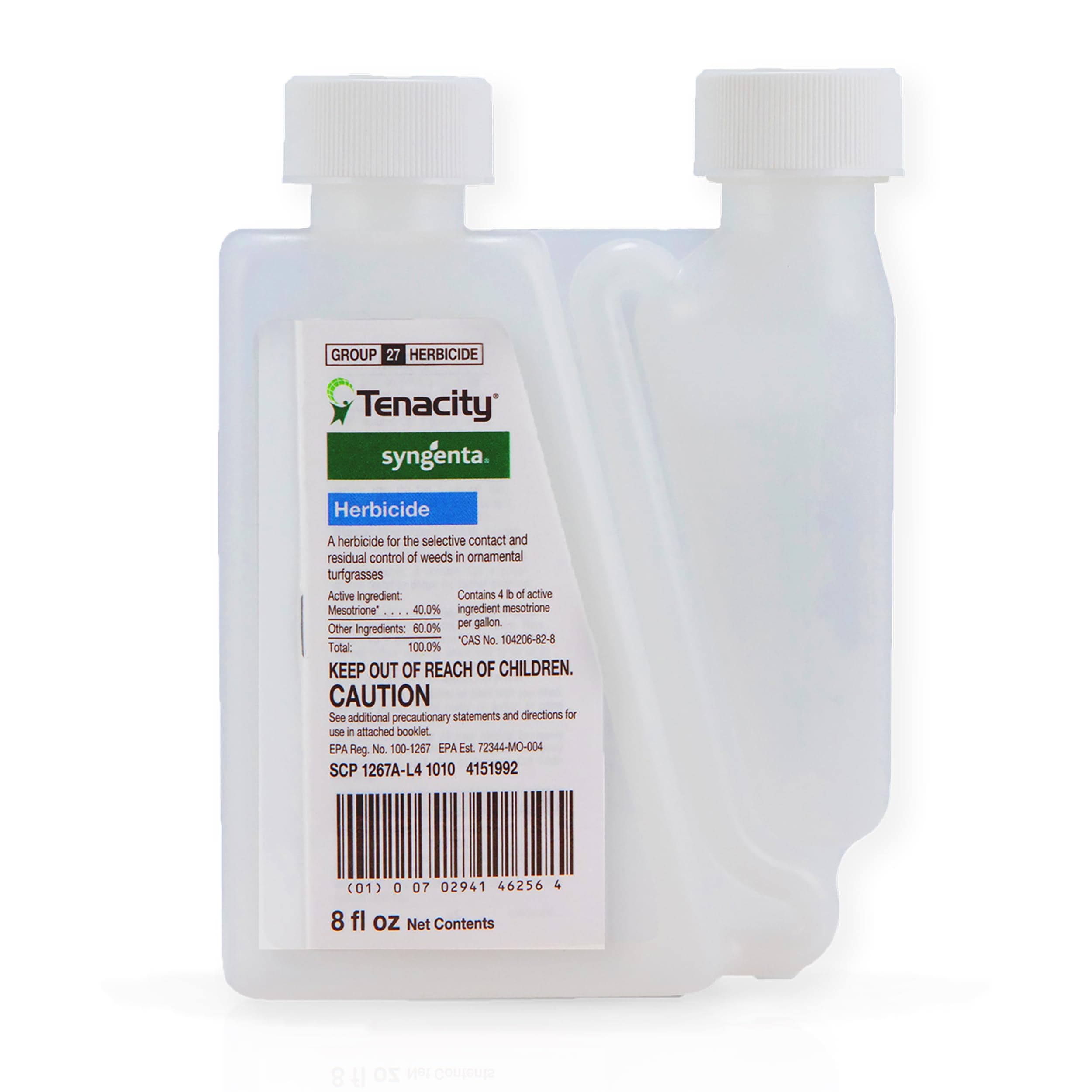
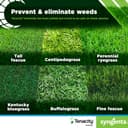
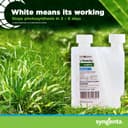
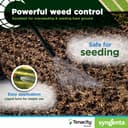
🌿 Take back your lawn with Tenacity — the pro’s secret weapon against weeds!
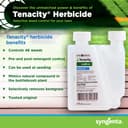
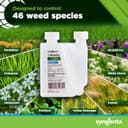
Tenacity Turf Herbicide is a powerful, selective liquid herbicide containing 40% Mesotrione that offers both pre-emergent and post-emergent control of a wide range of tough weeds in turfgrass. Designed for professional and serious lawn enthusiasts, it delivers systemic action to eradicate invasive species like nimblewill and crabgrass while preserving desirable grasses. With a long shelf life of up to 8 years and a highly concentrated formula, Tenacity provides cost-effective, lasting weed control that supports healthier, thicker lawns and successful overseeding.

| ASIN | B005DUTNF0 |
| Active Ingredients | Mesotrione |
| Best Sellers Rank | #1,240 in Patio, Lawn & Garden ( See Top 100 in Patio, Lawn & Garden ) #35 in Weed Killers |
| Brand | Syngenta |
| Brand Name | Syngenta |
| Coverage | 2000 ft^2 per 1sp of product |
| Customer Reviews | 4.4 out of 5 stars 9,492 Reviews |
| Included Components | Herbicide |
| Item Form | Liquid |
| Item Weight | 8 Ounces |
| Liquid Volume | 8 Fluid Ounces |
| Manufacturer | SYNGENTA |
| UPC | 810096030696 |
| Unit Count | 8.0 Fluid Ounces |
D**N
Very pleased with the Effectiveness on Nimblewill so far
I have been trying for some years to identify and control the undesirable lawn grass called nimblewill. I thought it was Bermuda grass, which is similar, but it is somewhat different. The nimblewill has been slowly and consistently spreading and taking over my lawn for a number of years. It probably had taken about 20% of the lawn (about 0.7 acre lot). I thought it was pretty much hopeless. None of the lawn weed killers or crabgrass killers that don't harm the desirable grass will phase it. I thought I would have to roundup huge areas or most of the yard to get rid of it. The Tenacity is expensive, $60 or so for 8 oz. But for the number of gallons it makes (you use a syringe to measure it out, and it only takes about 1/2 teaspoon per gallon), it's really not that much more expensive than any other lawn herbicides or general vegetation killers for that matter. I have mixed and sprayed 22 gallons of the Tenacity, 2 gallons at a time, and I have only used about 1/3 of the bottle. I also used a surfactant, which is relatively any expensive and is supposed to increase the effectiveness. The Tenacity is a tanish, milky liquid. You don't want to get it on you. I was careful not to, but if I got just a minute drop of overspray on the skin, I could feel it burn. Anyway, I walked around and sprayed the all the visible nimblewill in various sections of the lawn 2 or 3 times during late June and early July, when it was actively growing in the hot weather. It was a little slow and time consuming, but it was effective, and I didn't waste the tenacity or over apply it. I tried to do it when it wasn't too hot or dry or right before rain, although I don't know if that matters . Anyway I walked around and hit the nimblewill in the all the different areas of the lawn at least once, maybe hit some bad places a second time. I sprayed some big patches, and many more isolated clumps where it was just starting to spread among the other grass. It is relatively easy to spot even when it is green and growing. It is blueish, low growing, and the grass leaves are flat and up to about 1/8" wide. I had no trouble spotting it among the desirable grasses when I was walking around spraying. At least 3-4 days after spraying, the leaves of the nimbewill grass start to turn white on the ends, then the whole upper grass leaf will turn white. Kind of unusual. It stays that way for a while. It stops growing and eventually it turns brown and dries up, but it takes several weeks for the whole kill process to complete, even in hot, relatively dry weather. But you can see results pretty soon, and continued results over time, and it's gratifying. It's hard to say if the other desirable grasses were harmed significantly or not, because it has been very hot and relatively dry. There is no obvious evidence of it, but some of the nimblewill patches were thick, meaning big brown spots, and some of the rest of the grass is turning brown anyway now due to heat and lack of moisture this summer, which is a little worse than normal. I plan to slit seed the whole yard closer to fall, so I don't really care if I lose a bit of desirable grasses to collateral damage or not. I am gratified just to see very little living and actively growing nimblewill at this point. Anyway, at this time or the summer, when it is usually thriving and will soon go to seed, I have very little green nimblewill in my lawn. I plan to make another pass or two soon and hit any more that I see that is still green. Bottom line with about 1/2 of a 8 oz. bottle this summer I realistically expect I will kill at least 85-90% of huge nimblewill infestation in a 0.7 acre lot. I will have plenty of Tenacity left to spot treat any I see for the next couple of years, and I expect to see a lot less each year. I have hopes of essentially eradicating it. They don't claim this is possible and say you can only "control" it, but I think with some diligence you can eradicate it for practical purposes. I also learned that the Crabgrass and weed preventers that are applied in the early spring help control nimblewill and keep it from spreading from seed. I had stop using these crabgrass preventers several years back because I had the crabgrass under control in my lawn. Not a good idea, because I think that helped allow the nimbelwill to spread uncontrolled and infest the lawn. Nimblewill goes to seed in the hottest, driest part of the late summer when you aren't mowing often. So you inadvertently allow the seeds to form and spread before they are mowed down. But I started using the crabgrass preventer again this spring, mainly to help control the spread of the nimblewill via seed, and I plan to continue using it as part of my efforts.
S**N
Pleased with the results!
I will share my experience with this product since there is not alot of scattered information regarding it, and I had to piece together information before using it. I have your typical Bluegrass, Fescue, Ryegrass lawn that is common here in the midwest. I noticed that my weed population (creeping charly, clover, knotweed, splurge) kept increasing despite my endless efforts to irradicate them. It wasn't until I started to rake the lawn that I realized I have an intruder that was creeping OVER the top of my existing lawn, and in a lot of cases it was intangled thru the existing grass. Raking had exposed the extreme difference in growth pattern, and there was an obvious difference in the length since it was growing from the center out. Once raked, it was like wiry arms waving hello above the regular grass! It was killing my good grass, making it sparse, and allowing these other weeds to invade. It forms a mat, so it was also trapping moisture underneath- creating lawn fungus for the good grass! I researched extensively, and found that I had nimbleweed and bentgrass. Ugh! Despite the price, I chose to use Tenacity and save the good grass. You have to be patient with this product, it does work, and despite it working slow, it is powerful stuff, so follow the directions since they are specific to the weed you are applying them too. For Bentgrass and Nimbleweed you want to apply 3 weaker applications instead of 2 stronger ones due to the aggressive stolons that bentgrass produces. After about 10 days you will start to see the nimbleweed and bentgrass dying back. It becomes more apparent after the 2nd application. It did cause whitening on my fescue, which does recover, and it did a little damage to my rye. I lived in fear for weeks worried that this stuff was gonna kill my whole lawn, but it didnt. It did reveal to me that I had much more Bentgrass than I had originally suspected (apprx 70% of my lawn). Once all the intruders were dead, I bought a good dethatching rake, and highly recommend one if you have areas that are thick with dead bentgrass. In the areas where the amount of dead bentgrass is thinner, you can just leave it and the regular grass should grow back thru. A bonus to this product, is you can overseed right after your very last application, and your new seedlings will not have to compete with weed seeds when trying to establish. Since this product kills alot of other weeds in the process, I have less weeds in my yard than I have ever had. My pre-existing lawn also seems healthier now, since it is not competing with the bentgrass and nimbleweed for sunlight, water, and nutrients. I did overseed the bare areas and have a new thick beautiful lawn coming in. I have no regrets using Tenacity, and will do a follow up application in the spring to hit any missed stolens that might still exist. Some recommendations- The product comes with a syringe so you can extract the chemical directly out of the bottle. Though I appreciated it being included, I found it difficult to use being the bottle is small, and I almost spilled it a couple of times due to the mechanics. Maybe try a measuring spoon instead. In order for this product to work, you MUST apply it with surfactant. I used Bonide Turbo Spreader Sticker (bought from Amazon also) and was pleased with the results. You can also mix Tenacity with a other chemicals listed in the instructions, so I mixed Triclopyr in the 1st application to help irradicate the creeping charlie. I would be hesitant to use this product in mid-summer when it is extremely hot, only because our cool season grass in the midwest is already struggling during that time. I waited til mid/late August when the temps would start to drop. Do not spray this on any other plants or trees, it will hurt them, and possible kill them. My only regret is that I wish I would have found this stuff sooner! I hope this post helps anyone trying to battle nimbleweed or bentgrass.
E**U
Great for Poa Ana - I planted new sod here ...
Great for Poa Annua - I planted new sod here in the Pacific Northwest a few years ago and everything was fine the first year. Then coming out of winter the second year I had these small light green patches that i have come to understand is poa annua or Annual Blue grass....a kind of grassy weed. I tried everything, including digging the stuff up and nothing worked. I research the subject to find articles and reports and found this report from Turf Grass Trend tilted poa annua Control from 2012. This report focused on the result of an experiment of applying Tenacity at different time of years under different temperatures and applications rates. The articles finds better results during colder months and temperatures and presents a hypothesis that Tenacity works better the longer that it stays in the plants system and this is best accomplished with two applications two weeks apart in the fall - October. Before I found this article I applied Tenacity from Spring to the fall with limited results. That is the poa annua would turn white, only to return soon after. Finally I applied Tenacity one late winter day when the sun was shinning in February when the temperatures were between 45-50 degrees with rain in the forecast. I bought a new commercial-grade 2-gallon sprayer with a fan-tip and applied Tenacity at a slightly higher rate than recommended two weeks in a row and waited. Within a week the poa annua turned white as normal, however, about 2 weeks later (Or 4 weeks in total from the first application), I noticed bare spots in the lawn - that is the poa annua was dying and not coming back. It's been about two months and things still look good - no poa annua. However, since poa annua is a dormant seed that waits until the perfect conditions - I made another preventive application and will soon replant the bare spots. You can apply Tenacity all year long in the Pacific Northwest - however best results appear to be in late winter when temperatures are between 40-50 degrees where the chemical can stay in the plants system longer due to slow growth. I will update this review - but I think I have cracked the code to control / eradicate POA ANNUA in the Pacific Northwest. September 2017 update - I re-read the article and it appears that you can also get good control in hot weather as well, but with a different application rate. In hot weather apply half rates a 7 days apart for 2-3 applications will control / kill Poa Annua grass weeds in turf grass. I used this process starting in August, achieved a good kill rate and now I'm beginning the re-seeding process.
G**R
Most amazing lawn product commercially available by far!
My wife and I bought an old farm house 4 years ago that was literally weeds and some sort of grass. Not being experts in grass, having lived in apartments in our previous years, we just figured "any grass is good". I spent 2 years getting rid of weeds using various sprays and granulars, then overseeding. As the overseeding began to take control of the lawn, and all the weeds were gone, I noticed that one type of grass stood out from the others and would go dormant at unexpected times. I did some research, which turned me into quite the grass geek, and found that I had both Nimblewill and Creeping Bentgrass. The only solution being offered on most sites was to use Roundup. I didn't find that to be a realistic solution. Finally, on one site I found a mention of Tenacity. While it is rather pricey (so it seems), I ordered it. Well, I can NOT tell you how happy I am with the results. While I knew it would whiten areas, I had no idea how much undesirable grass I had (Annual Bluegrass, Nutsedge, Nimblewill, Creeping Bent, Crabgrass, Barnyard Grass) until I sprayed it. Huge patches of my lawn turned white, making it VERY CLEAR which was a desirable turf grass, and which was not. At the same time, my turf type grasses stayed a solid green. I did the recommended spraying of 1 tsp, 1/2 tsp, 1/2 tsp. Between the second and third sprayings, I raked out the "dead" weeds and overseeded using some new topsoil, high end Turf Type Tall Fescue, and covering with a mix of compost and sphagnum. While this project took some time and exercised my patience, it was well worth it. I started in fall, and seeded in both fall and spring. It has filled in immensely, like a carpet. Deep green. My neighbor's yards are still all spotty and full of weeds/weedy grasses. Tenacity is both a pre and post emergent, which means it will keep the weeds down while you seed, as well as kill those that exist. The beauty of this product is that you can spray it directly on areas you just seeded. Few, if any, products can do that. I used a total of 3 tsp. on 1 acre and could continue to spray if I needed to. However, at this point, not a hint of weeds or weedy grasses. My lawn was comparable to a trailer park entry when we bought the place, and is now comparable to a golf course (in fact, I'd say mine is better than that of my favorite links). I highly recommend this product!
C**S
Works well
Works well
B**Y
Killed Weeds - But Killed / Damaged Grass As Well
I bought two selective herbicides, tenacity & quinclorac. Our yard was recently expanded, and our existing lawn was impacted from the machinery, irrigation reno, and general foot traffic / stress. Given all that, crab grass sprouted through the existing lawn. Any pre-emergent barrier that was there was broken so here comes tenacity & quinclorac. I used quinclorac w/ MSO first on the larger crab grass patches and it worked well, but even with a dye in the mix I had missed spots. I read that tenacity bleaches the crab grass and thought that was a novel idea to not only kill the crab grass but help me to identify which patches i may have missed. I sprayed the tenacity with AO's surfactant, using dye as well to visually help, and let it get to work. Now I'll admit i was a bit more free in my spraying of the crab grass, often times fanning over larger areas of crab grass / healthy fescue/KBG. The first few days go by and the crab grass indeed did bleach out and began dying. However, about 7-10 days after that my healthy fescue/KBG began to bleach as well. I measured very accurately per the instructions, so I don't believe the mix was too hot. Another 7-10 days later, the fescue/KBG that was hit has died completely. I water my lawn regularly, and fertilize regularly (typically with milorganite). I wonder that perhaps the summer heat / sun was too much for the fescue/KBG grass, given the stress it was probably under from the tenacity spray. The end result, now about 3 weeks later, is that i have large patches of dead grass scattered throughout my lawn. I'm chalking it up to the summer heat/sun being the X factor, but man am i disappointed. TLDR; I'd be very cautious about when you spray this herbicide. I don't think the surrounding grass can withstand the stress this herbicide puts on it when coupled with hot summer heat / sun, i think it's just too much to handle. I didn't have issues with quinclorac and this situation, so i'm going to stick with that moving forward. As another reviewer said i'll stick to tenacity in our mulch beds, and quinclorac for the lawn. Lesson learned.
M**K
Weed control
Great product for controlling weeds
M**P
but I do know that I hate it, and the stuff is hard to kill
My dad and I for years have been lamenting whatever it is that has been cursing our lawns with clumpy patches of thick-bladed nastiness. I've been told it's crabgrass, orchard grass, pasture grass, and a variety of other things. I don't know what it is for sure, but I do know that I hate it, and the stuff is hard to kill. I've tried pre-emergent, post-emergent, and wide-spectrum grass killer to no avail. Nothing seemed to work. I was thinking I'd have to just start digging and re-seeding. Then a coworker mentioned that he was using this, and it seemed to really work. I was skeptical, both because of every other product I had tried not working, but also because the stuff is really expensive. (A word about the expense: it's really concentrated; one teaspoon per gallon is all you need.) But before resorting to the manual labor option, I decided to give it a shot. My dad and I split the cost of a bottle and we both tried it out. After about a week, my dad called me and asked when he should start seeing results, because it looked like it wasn't doing anything. I said my coworker told me it took about 10 days. Sure enough about 3 days later, the crabrass started changing colors. First white, then brown, then gone. Overall it took about 20 days for it to die entirely. On my dad's lawn, grass he didn't want to kill also turned white, and brownish, but then seems to have recovered. On my lawn, it seemed a bit more targeted, and only the stuff I am trying to kill is dying (I'm doing mine in sections). I may be a little more precise than he is with the sprayer, or it could be that he and I have different types of grass. Not sure. But either way, we're both happy with the results. It is recommended that you use a surfactant with this. Surfactant is cheap, so I've decided to use it just because it seems dumb to save the cost and risk not getting the best result from the expensive stuff. So I can't comment one way or the other on the effectiveness with or without, but for $5 it seems relatively low-risk. This does not appear to work on any of the other weeds I have, clover in particular, but also weeds it claims to kill like dandelions. Which means after I've fully recovered I'm still going to have to use something like Weed-b-Gon on those. I'm okay with that. Regular weeds are much easier to kill.