We remain fully operational. Our teams are working around the clock to ensure your deliveries continue safely.

下载应用程序


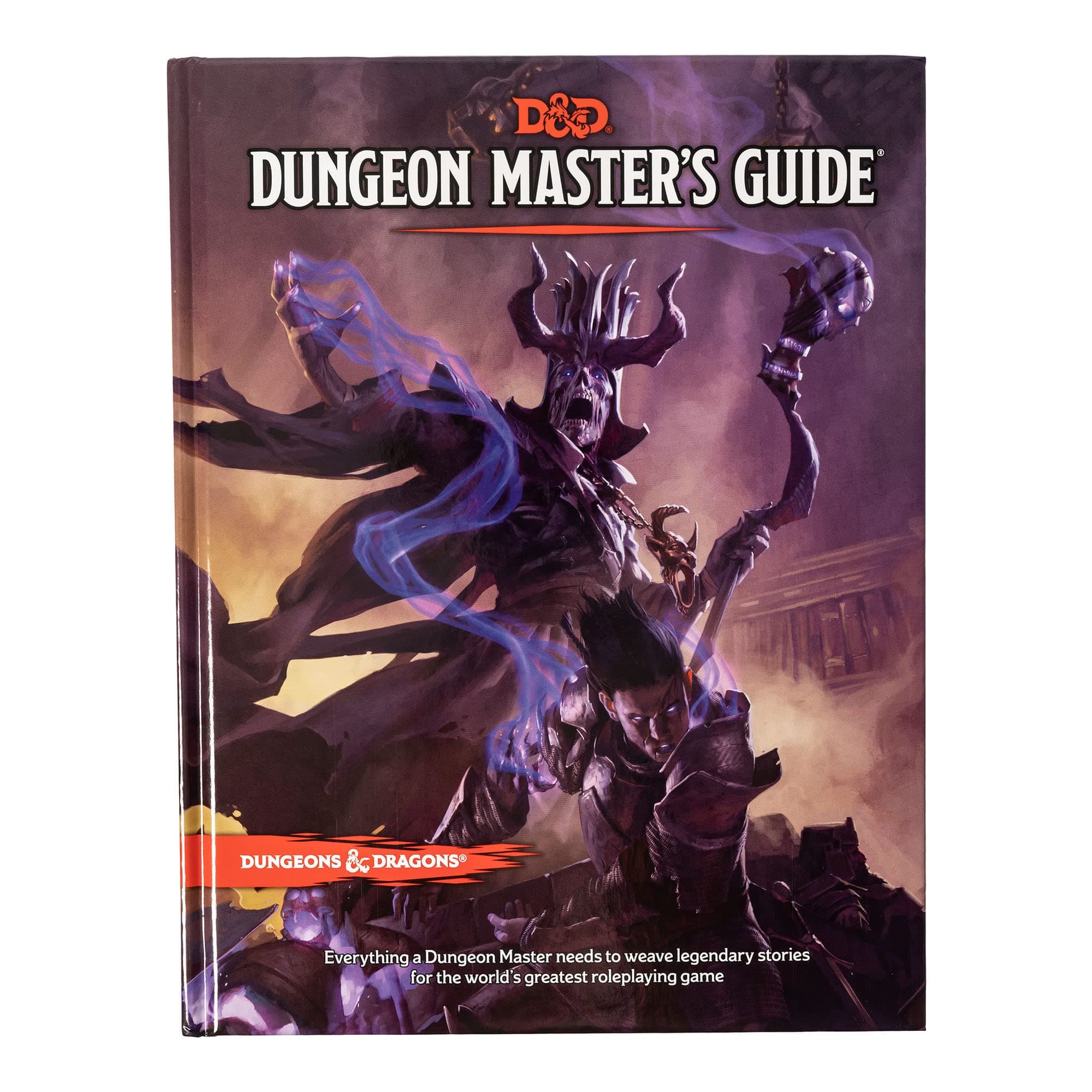
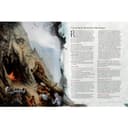
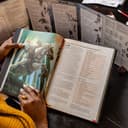
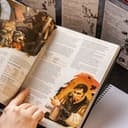
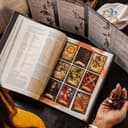
🎲 Rule your realm with the ultimate Dungeon Master's arsenal!
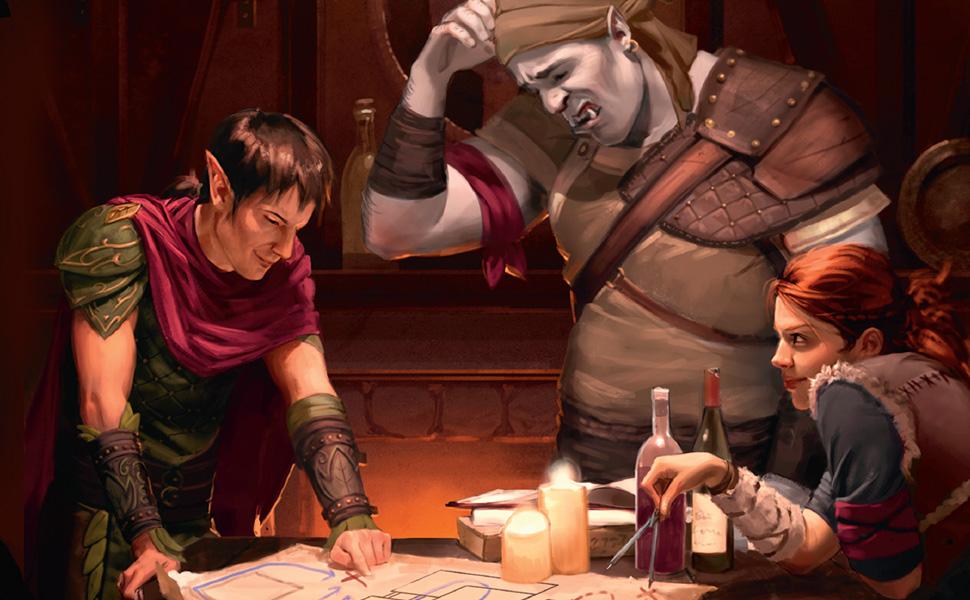
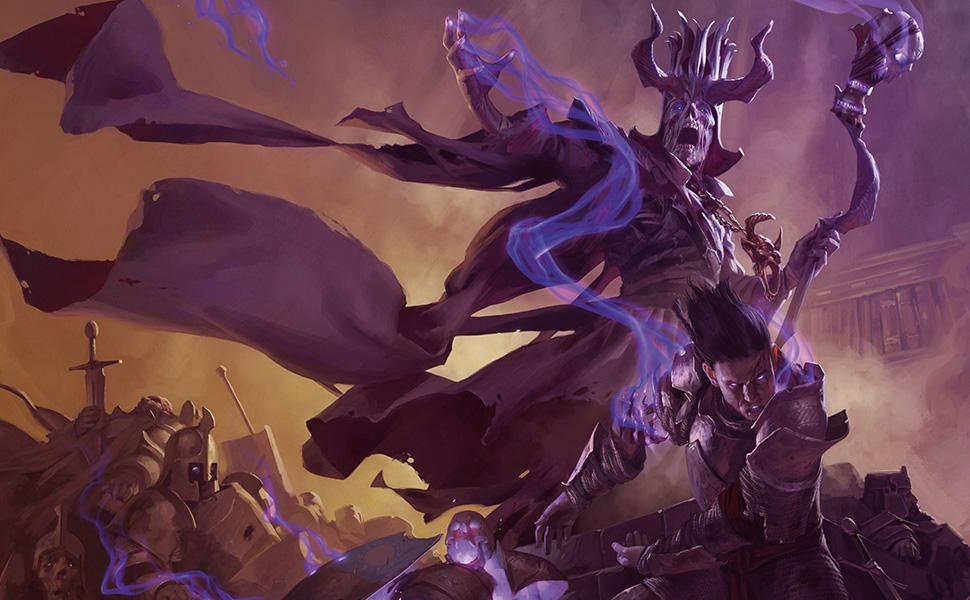
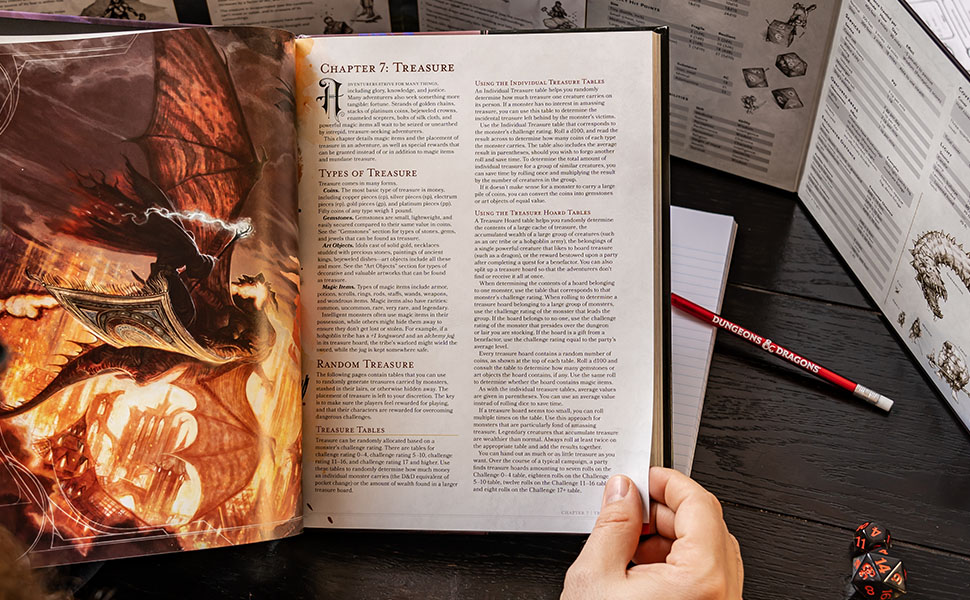
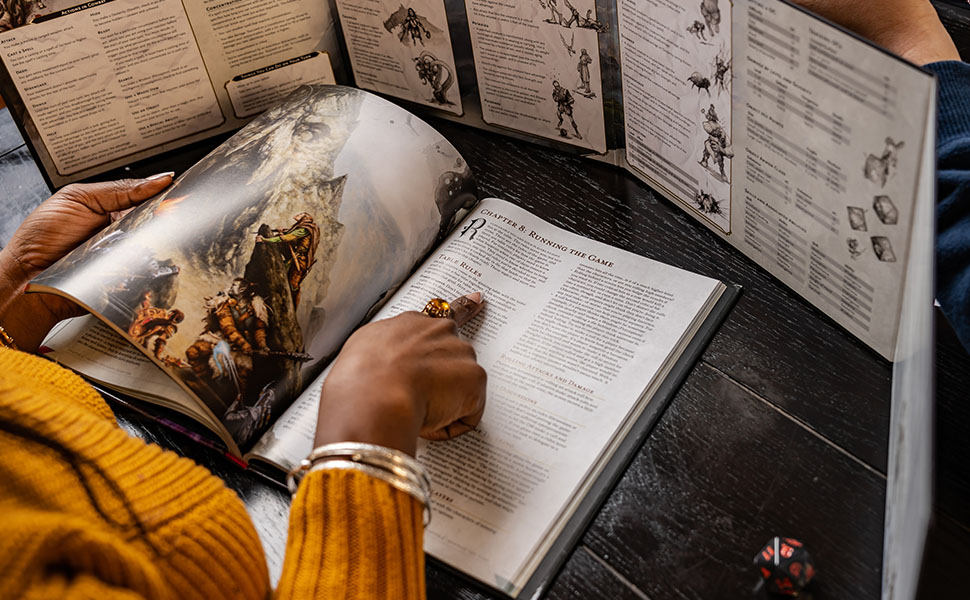
The D&D 2014 Dungeon Master's Guide is a 300+ page hardcover manual designed for Dungeon Masters aged 12 and up. It offers expert advice on world-building, encounter balancing, and hundreds of magic items to enrich gameplay. While not a beginner's rulebook, it is an indispensable resource for experienced DMs seeking to craft immersive, customizable adventures in the 5th edition of Dungeons & Dragons.


| ASIN | 0786965622 |
| Age Range Description | Age Range:12 Years & Up |
| Best Sellers Rank | #66 in Dungeons & Dragons Game #1,549 in Sword & Sorcery Fantasy (Books) #1,560 in Dragons & Mythical Creatures Fantasy (Books) |
| Brand Name | Dungeons & Dragons |
| Color | Multicolor |
| Customer Reviews | 4.9 4.9 out of 5 stars (30,769) |
| Educational Objective | Develop storytelling abilities and problem-solving skills through creating and managing engaging game sessions for the Dungeons & Dragons role-playing game. |
| Global Trade Identification Number | 09780786965625 |
| Included Components | HC Book |
| Is Assembly Required | No |
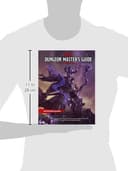
| Item Dimensions | 8.51 x 0.85 x 11.17 inches |
| Item Type Name | Tabletop Game |
| Item Weight | 1.11 Kilograms |
| Manufacturer | Wizards of the Coast |
| Manufacturer Maximum Age (MONTHS) | 1188 |
| Manufacturer Minimum Age (MONTHS) | 144 |
| Manufacturer Part Number | 786965622 |
| Material Type | Paper |
| Model Number | A92190000 |
| Number of Batteries | 1 Lithium Ion batteries required. (included) |
| Number of Players | 2-5 |
| Operation Mode | Manual |
| Power Source | Manual |
| Size | 0.85 inches x 8.51 inches x 11.17 inches |
| Subject Character | Monster |
| Theme | Adventure, Fantasy, Magic |
S**P
Good quality (with a nice new book smell)
Great quality book. Came in perfect condition. Can't wait to buy more of the books!
S**N
A Classic; DON'T buy this one first
It's a common mistake for newbies to lean into the Dungeon Master's Guide in an effort to learn the game. I think it's weird that Wizards decided to market this as "All you need to run a Dungeons & Dragons game", because the DM's Guide doesn't actually tell you how to play D&D. It contains none of the essential rules. If you're approaching D&D for the first time, you should buy The Player's Handbook. Every single player and DM needs to know about Ch. 7 Using Abilities, Ch. 8 Adventuring, Ch. 9 Combat and Ch. 10 Spellcasting - this is the heart of the game. Once you're comfortable with the basics, you need to start customizing your game with "house rules", optional rules that work well for your group and playstyle. Your game will naturally flow between epic storytelling and gritty tick-tock action. Your players will do inspiring things worthy of reward. You'll sometimes need to ignore the dice, or follow the "Rule of Fun". The Dungeon Master's guide has solid, time-tested advice on all of that and more. Unfortunately all the good stuff is crammed in to Part 3; the DM's guide hasn't changed that much since the original bound AD&D version, including the awkward arrangement of chapters and information. Ch. 3 "Creating Adventures" and Ch. 5 "Adventure Environments" are important reads, and Chapter 8. "Running The Game" is what you think you're getting when you buy this - practical, detailed advice on running a D&D game. I really like Chapter 6 "Between Adventures", which helps you fill in the gaps with careers, philandering, politics and real-estate. All of Part 1 may as well be supplemental. It helps as background material for the official adventure modules, and can help ground your homegrown campaign in some official lore, but it's by no means essential, and you could get bored and discouraged if you tried to learn D&D by slogging through the differences between Arcadia vs Archeron vs Avernus. Save it for later. Chapter 7: Treasure. Ah, treasure. This is the other reason to get this book: it's the best all-in-one official sourcebook for D&D treasure. The stuff of legends. Some of this stuff - Boots of Elvenkind, Bag of Holding, Belt of Giant Strength - has been in the game 30+ years. There's newer treasure as well, and it all feels appropriately quirky and powerful. Old-school DMs have a reputation of granting treasure sparingly, and Chapter 7 has suitably stingy (but useful) random treasure tables, and additional random tables to give each magic item special characteristics - who made it and why, how is it activated, does it have a name? I like to hand-write the magic item's name, characteristics, background and quirky details on a 3x5 index card and hand it to players when they identify it - it makes getting one a little more special. All in all, the Dungeon Master's Guide is an absolute classic, but not an essential classic. You could play for a year before needing to crack it open, and I recommend buying The Player's Handbook and Monster Manual first. But once you've gained some experience as a DM, it provides tons of useful knowledge.
C**N
You've nailed it Wizards of the Coast.
Wizards of the Coast have finally nailed it. This book concludes the trilogy of hardbacks for the latest edition of Dungeons & Dragons. The short is that I am impressed - it's an excellent offering. The sum total of the Player's Handbook, Monster Manual and Dungeon Master's Guide provide a commendable edition. The layout of the DMG is very tidy and logical. I loved the 1st edition DMG but it was esoteric and disjointed, while the 2nd and 3rd edition DMGs were largely superfluous besides the xp tables and magic items. By contrast this Dungeon Master's Guide retains all the elements of each edition that made them great. It provides sound advice for crafting anything from a one-shot adventure, to an iconic campaign. The artwork and illustration is beautiful, and the content makes allowances for a variety of play-styles and personalities. Most of the knowledge can be acquired through practicing the art of Dungeon Mastering, however for the beginner (and even the veteran) there is plenty of inspired information, making the task truly pleasurable rather than a task. Despite having run a variety of editions, I still found myself impressed and inspired. For those who enjoy running minimalistic games, this may not be for you. There is a lot of information here, particularly a hefty section on magic items and designing encounters. It was an interesting choice to include fairly comprehensive planar information in one of the chapters (not necessarily a bad choice, merely interesting), as it saves those playing 5th edition from buying a mostly useless 'Manual of the Planes' equivalent. It's cool that they combine aspects from a range of settings, not restricting the Dungeons & Dragons experience to the high fantasy of Forgotten Realms. For those who home brew (which I preference far above any commercial setting) you are well catered for here. I personally found the 'fluff' to be the best part of the book. When I begin my next 5e campaign I will be removing xp entirely (per an optional rule) and simply awarding levels ad hoc. I find this system far preferable to keeping track of xp minutia and designing perpetually 'balanced' encounters. This may be excitement speaking rather than true objectivity, but I can strongly recommend this. I'm fairly critical, but it's ticked all of my major boxes. Thanks for finally listening to the community Wizards, you've created a winner.
O**.
Not sealed in plastic shrink wrap but it is New and unused. almost 30% cheaper than buying it locally. so i can't complain. Perfectly Good for what it is.
P**S
Esse livro aborda uma gama tão grande de quesitos que mestres geralmente tem de levar em consideração, e consegue fazê-lo de uma forma que todos conseguem entender seu conteúdo (exemplo: você não precisa ser um geógrafo para entender a explicação que o livro dá sobre demografia e geografia. Basta apenas ler). Não é necessário para mestrar, afinal de contas, a única coisa que vc realmente precisa para jogar RPG é imaginação, mas com certeza é um excelente produto pra você conseguir deixar suas aventuras muito mais ricas, críveis e épicas.
A**E
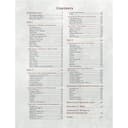
Beautiful book, has the nicest cover and feel by a mile out of the 3. Has some interesting lore in it. Honestly, if you want to be a DM, really your main point is to learn the Player's Handbook off by heart. The book's split into 3 parts, Part 1, Part 2 and Part 3. Here's a rundown of what you get. Honestly, chapters 1-6 are nice for a bit of inspiration, but 6 onwards is really what you're buying this for. As a DM though you'll probably spend way more time in the PHB. I glance at this like once in a blue moon, it's not the type of thing you need on hand if you print yourself all the most useful bits and bobs for your DM screen. Part 1 (Master of Worlds): Chapter 1, which is about world building. Tbh this is very generic advice and it's mostly naturally intuitive anyway, but even if it wasn't you'd probably be best with like, a Kobold guide to Worldbuilding. Chapter 2 is about their setting's planes of existence, which is fairly useful if you want to use a generic setting and you think your campaign will last long enough to get into alternate planes. Part 1 I find pretty superfluous. Part 2 (Master of Adventures): Chapter 3: 10% of the chapter is super important - shows the rules for creating encounters. Useful because the online ones don't seem to actually work very well. 90% of this chapter however is "roll on this d20 table to invent a plot". Like, really, do people do that? Either you're going to invent your own worlds on the fly or you're going to use an adventure module. I mean, you can read this for ideas, but who is going to roll a d12 to find out what the climax of their adventure is? Chapter 4: Roll to make an NPC, same as chapter 3 (at least this is more likely if you quickly had to put something together). More importantly, contains Oathbreaker Paladin and Death Domain for the cleric. These are cool things to spring on a player who falls to the darkside. Also optional rule for Loyalty is in here, you may find useful. Chapter 5: Roll to make a world. Only really useful thing here are sample traps. (Again, read it for inspiration but not really useful). Chapter 6: Shows downtime rules. Useful if you break up your campaign that much? I tend to leave mine on cliffhangers and pick back up straight where we left off though. Nice after a campaign finishes and you want to give your PCs cool new bonuses though. CHAPTER 7: Finally things get good. This chapter is 99 pages on its own. Contains the rules for treasure drops, and then an absolute TONNE of magic items. Worth the buy just for that. Unless you can grab a copy of Forged In Magic: REFORGED perhaps. Part 3 (Master of Rules): Okay here's the entire point of the book. Chapter 8 contains all combat rules, ability checks, inspiration, travel, object use, improvising damage, using battle grids, adds flanking, chases, diseases, sieges, poisons, madness, potion crafting, ways to award xp, how to deal with absent players. Chapter 9 contains ways to modernise it with weapons and use alien technology, some combat options, and otherwise is a homebrew chapter that shows how to make monsters, spells, magic items, backgrounds. Appendices: A: Roll to make dungeons. B: Lists of monsters from the Monster Manual based on environment! Like Arctic, coast etc - super useful. Wish Tome of Beasts had this. Also based on CR. C: Some generic maps. I mean, it's beautiful, the writing is quality and I guess most of it is generically useful to all DMs but it feels like the first half is more for people who don't like to come up with their own material. It's the least useful of the 3 books though. You could probs live without it given that encounter and loot generators exist online and they're the main use, as long as you're comfortable with combat. (Which, tbh is mostly in the PHB anyway).
A**D
The only thing to improve this great guide are tabs.
N**S
Produkten är en bok, vad kan jag säga?