We remain fully operational. Our teams are working around the clock to ensure your deliveries continue safely.

下载应用程序




🔧 Split the load, not your workflow — measure smarter with Klein!
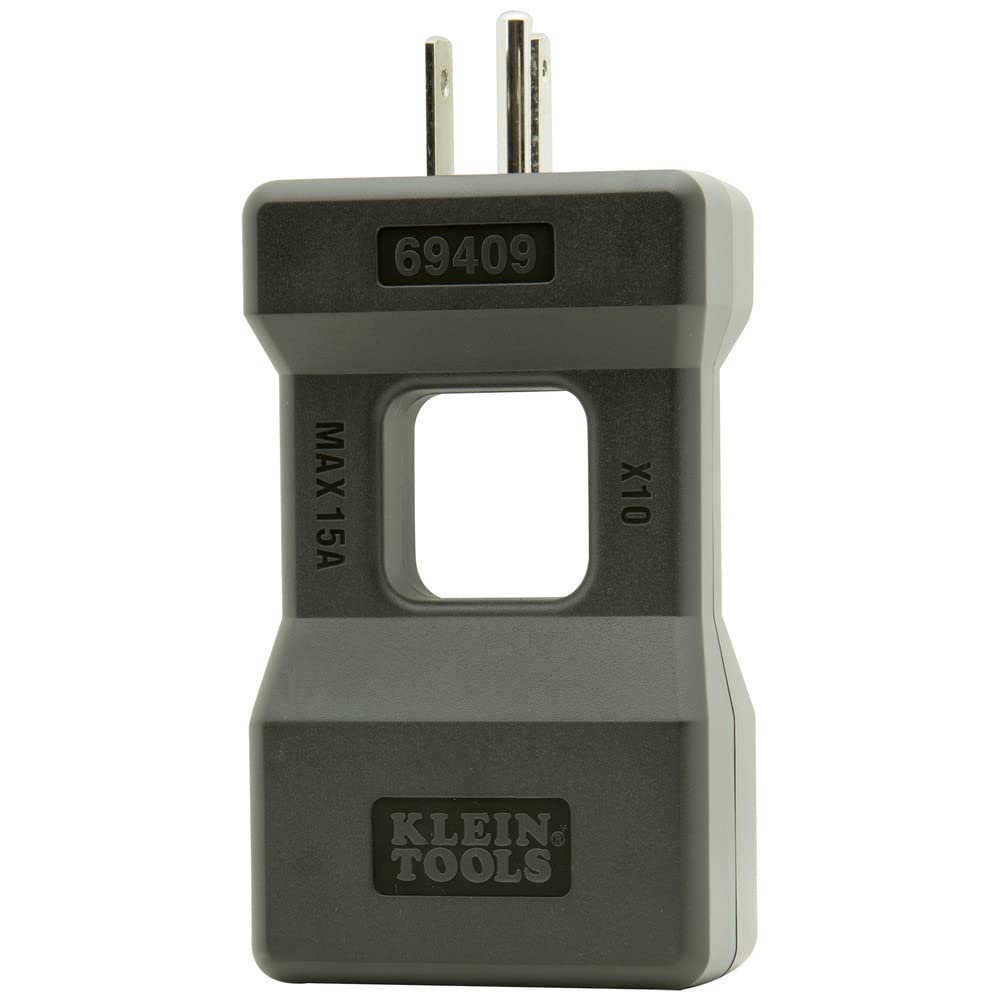
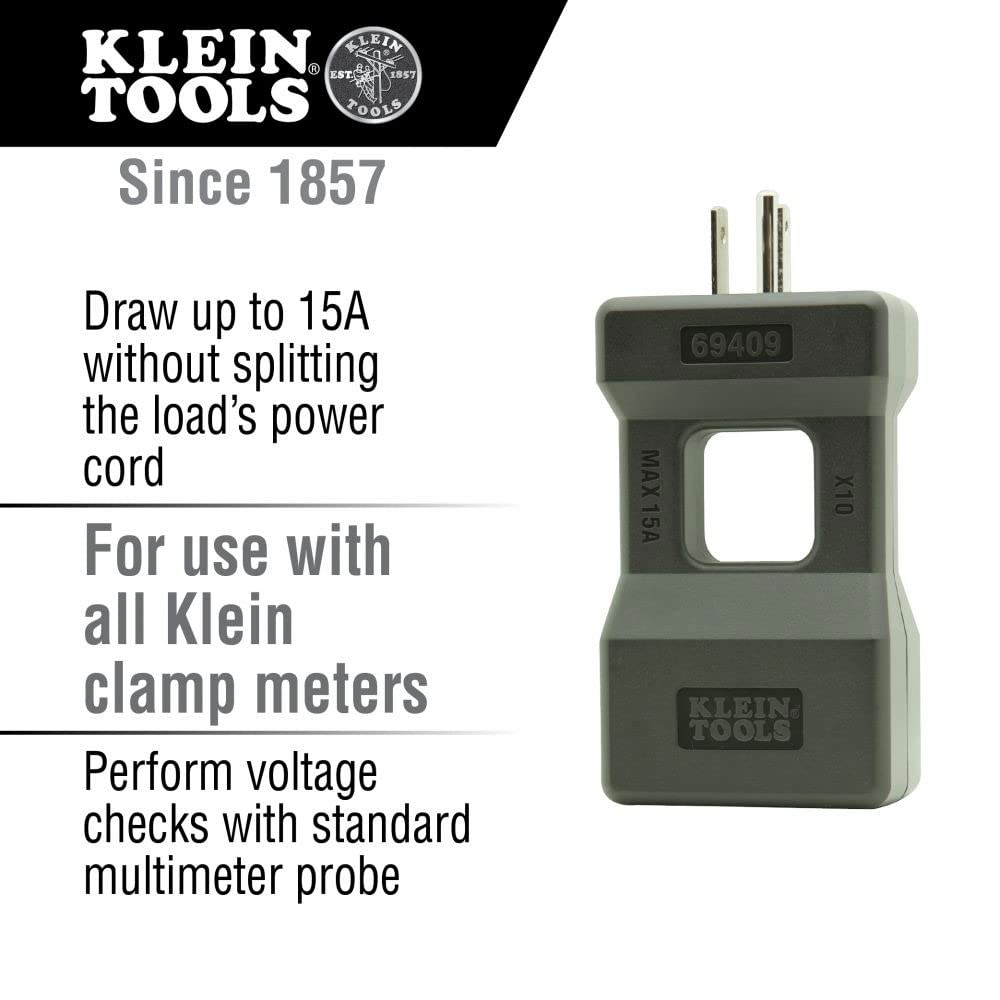
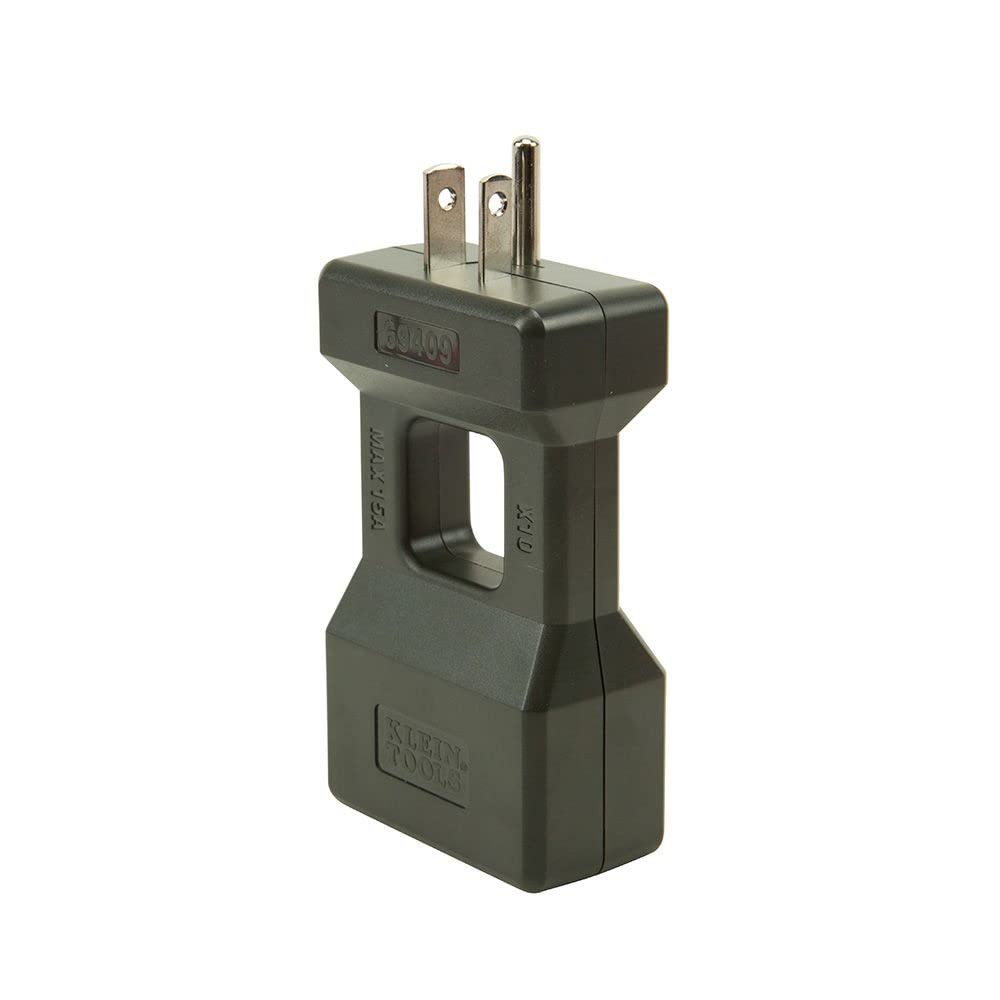
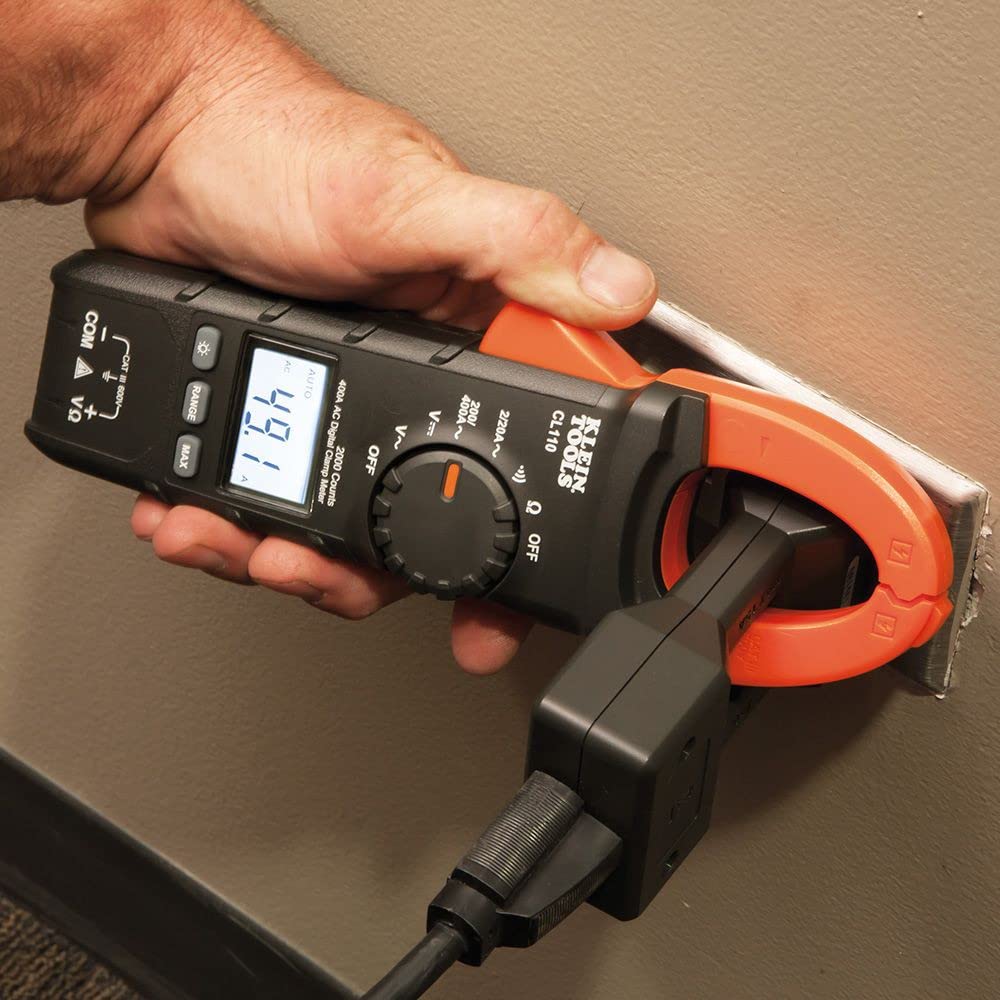
The Klein Tools 69409 Line Splitter is a compact, UL-certified accessory designed for North American 120V outlets that enables precise current measurements up to 15A using clamp meters. Featuring a 10x measurement multiplier, it enhances accuracy for professional electricians and technicians, eliminating the need to split power cords and simplifying diagnostics with broad clamp meter compatibility.


| ASIN | B01B7RTNSO |
| Batteries Required? | No |
| Batteries included? | No |
| Colour | Black |
| Customer Reviews | 4.8 4.8 out of 5 stars (1,806) |
| Date First Available | 29 Jan. 2016 |
| Finish | Brushed |
| Included components | Line Splitter 10x |
| Item Package Quantity | 1 |
| Item Weight | 108 g |
| Item model number | 69409 |
| Light source | None |
| Manufacturer | Klein Tools |
| Material | Blend |
| Part number | 69409 |
| Pattern | Solid |
| Power source type | Corded Electric |
| Product Dimensions | 16.76 x 10.92 x 4.32 cm; 107.73 g |
| Shape | Rectangular |
| Size | One Size |
| Special Features | Measures up to 15A |
| Specification met | UL |
| Style | Handheld |
M**N
Idéal pour vérifier le courant sur un appareil 120 volts Au lieu d'avoir un " split cord" pour pouvoir placer l'amperemetre..il suffit de brancher votre équipement a vérifier dans le socle et l'appareil en fiche..vs placez l'amperemetre dans le " beignet" de détection Moi je le laisse dans mon kit d'amperemetre
J**.
This item works great, and it’s compact to boot. Judging from instructions for clamp meters and accessory current clamps, many folks don’t seem to realize that one cannot measure current in a multiconductor flexible cord with a clamp meter, because the magnetic fields cancel. I’ve seen more than a few people—including a former boss—tripped up by this. What’s needed is a line splitter. Interestingly, none of my Fluke instructions suggest that as the solution. It’s possible to make your own splitter, as I did (picture 3). It works fine, but it’s a bit awkward to carry. It’s much easier—and less expensive—to use a commercial splitter. Commercial splitters are also more compact (pictures 1 and 4). The homemade splitter has one advantage, though: it’s made with #12 AWG wire, so it should safely handle 20 A. It’s also possible to do direct measurements using a multimeter’s current inputs, but connecting everything can be a chore. I have a device that connects directly to a meter’s current inputs (picture 2), simplifying the process. But it’s dicey when trying to measure more than 10 A on most meters without blowing a fuse. I also have an Extech splitter (https://www.amazon.com/dp/B0000YHN9W), which also works well and offers a 1× reading as well as 10×. But the 1× loop is more a curiosity than anything else, and the extra loop makes it longer. I probably got it simply because previous splitters I had included 1× sections. There’s really no reason to not use the 10× multiplier, which effectively provides an extra digit of resolution—often a big deal when measuring small currents. The Extech splitter does include voltage test points, so it’s possible to measure voltage and current when the device is operating—sometimes useful if the device is drawing enough current to cause noticeable voltage drop. Measuring voltage and current simultaneously requires a second meter, but if the load is steady, the measurements can be made sequentially with a single meter. When making simultaneous measurements, keeping the voltage test leads in the test holes on the Extech splitter can be a bit of a pain. It’s much easier to use a Klein 69357 adapter (https://www.amazon.com/dp/B0BN2LTKTB/) for the voltage measurement, as shown using a Fluke 323 clamp meter for the current and a Fluke 112 DMM for the voltage. So perhaps the lack of voltage test points isn’t really much of a disadvantage—and the splitter is more compact without them. A comparison of all of these methods using a Fluke 87 (with a Fluke i400 current clamp for the splitters) got results that were within about ±0.02 A actual current—more than close enough for government work. There are other splitters, like the Triplett ET200 (https://www.amazon.com/dp/B07YT6LQBH) and FLIR TA55 (https://www.amazon.com/dp/B00NMVR2DM) that will probably also do the job. I can only really comment on the Extech and Klein; I would recommend either one. At least one reviewer has suggested using a power meter (I have the P3 P4400 Kill A Watt Electricity Usage Monitor, https://www.amazon.com/dp/B00009MDBU). Though it’s more expensive than most line splitters, it’s very easy to use and doesn’t require a meter. I can’t imagine an electrician showing up with one, but for someone who only needs occasional measurements, this could be a good option—and it provides much additional information. I wouldn’t trust it like the Fluke meters, but the indicated values were mighty close to those given by the high-priced tools. Again, close enough for government work. I guess I also would recommend this. There are less-expensive similar devices that I have not tried. If you need to measure current in a plug-connected device, a line splitter is essential—don’t leave home without one.
P**A
Es muy util y practico de material muy resistente, recomendable
M**M
I sue it with my fluke meter. Not sure why I waited to get this. (Works great: just move the decimal point. If you can't do the math, you shouldn't be using this)
B**N
Works as advertised. The 10X feature does make you think when taking a reading to get proper scaling. But it is easy to use and accurate.