We remain fully operational. Our teams are working around the clock to ensure your deliveries continue safely.

下载应用程序


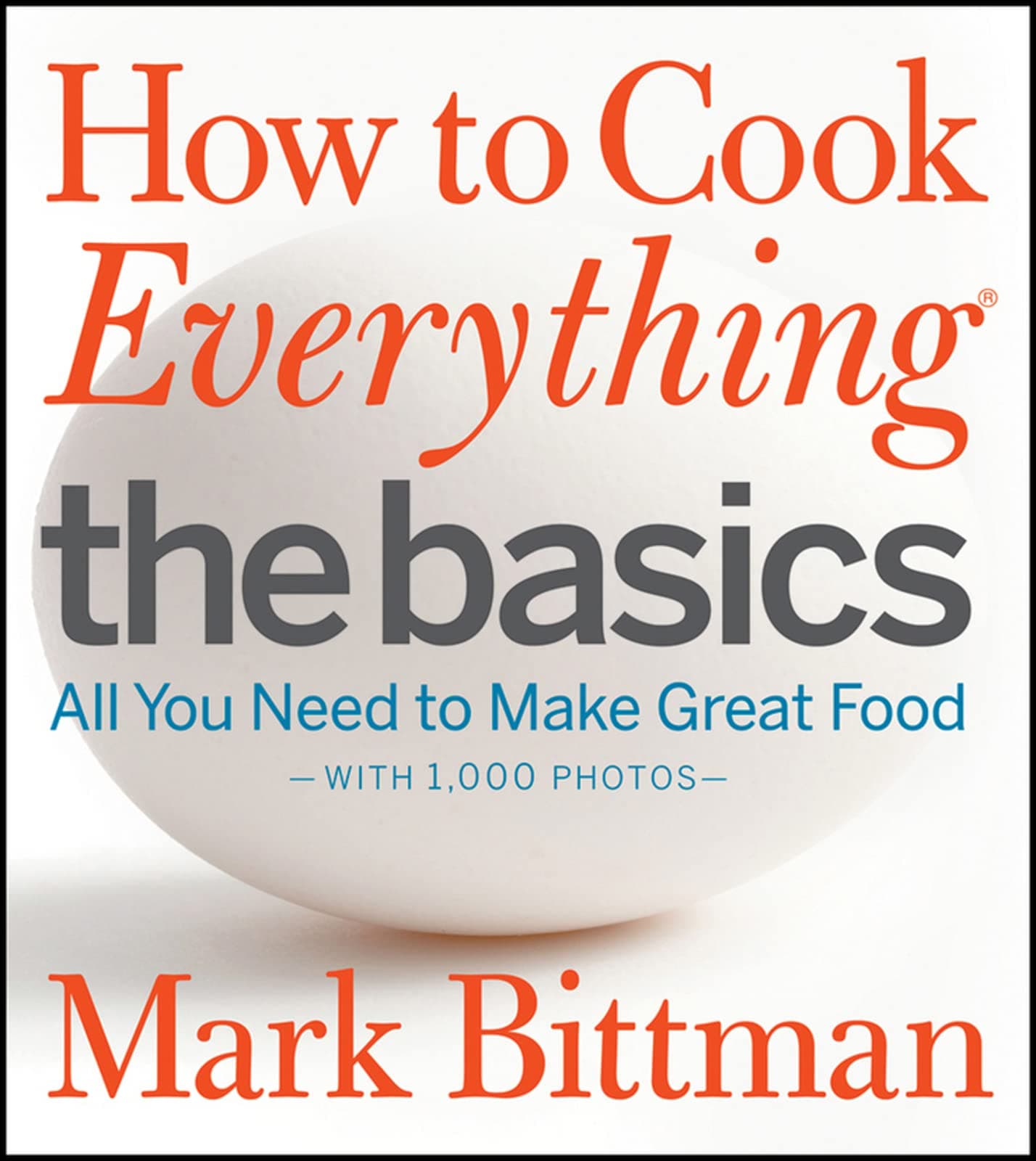
How to Cook Everything: The Basics: All You Need to Make Great Food-With 1,000 Photos: A Beginner Cookbook [Bittman, Mark] on desertcart.com. *FREE* shipping on qualifying offers. How to Cook Everything: The Basics: All You Need to Make Great Food-With 1,000 Photos: A Beginner Cookbook Review: It's hard to described how much this has helped my cooking... - I'd shared cooking duties for years with my wife, and my subtle teenager summed it his take on my skills: "Dad, your cooking just has a low upside." Ouch! After one too many comments I decided to really learn to cook. So I thought, like any skill, the first step was to fully master the basics, then branch out. So, you can see how I was attracted a book titled "How to Cook Everything - the Basics." As a non-chef interested in learning fundamental skills, here's why I found this book so valuable: - Each recipe introduces you to new skills, starting easy and progressing to more advanced. Even if you don't cook each recipe, you learn a lot just reading through them. - There are pictures showing you how to prepare the dishes. For example, there was a pumpkin pie recipe that showed exactly when to recognize that it should come out of the oven - with just a bit liquidy in the center. While this could have been described, I found it much easier to understand visually. And there are full-color visuals like that for every recipe. - Each recipe includes variations, so you can start to learn how to improvise - what works with what. That also makes the recipes much more varied. - Really helpful for me, he emphasized "taste and adjust" for all your cooking. I never really did that and am learning that it can make the difference between okay and very tasty. - If you go through all the sections, you'll be inevitably be introduced to things you'd never have considered. We made bulgar with feta and shimp. I honestly had never even heard of bulgar, but it was quite tasty! - In the beginning of the book, there's a few sections about what you should have in your kitchen by way of utensils, spices, etc. That's probably in other books but I found it helpful. - I think it introduces you to a very wide range of food types and cooking skills, so that after you've plowed through it you can feel confident you've at least been exposed to most techniques. For me, the big test was Thanksgiving dinner, which I'd never cooked before. In addition to turkey, we had mashed potatoes, stuffing, glazed carrots, and homemade pie. To say my family was amazed was an understatement, and I felt like the How to Cook Everything made it seem simple, and not very stressful. I would like to point out some downsides: - I also purchased the Kindle version. While it's a fine complement to the book, I wouldn't suggest buying it instead of the book. Why? They changed the order somewhat and I found the tips/pictures for preparation pretty hard to follow. - Remember when your third-grade teacher said, when you open a new textbook, you need to "break the binding?" I didn't do that and after a couple months the pages started falling out. So, do open the book the the middle, stretch the pages flat, and so so for every 50 pages or so. - If you're already an accomplished cook, or just not a clueless as I was, this might be too basic. He has a lot of other books I'm sure would be better for you. BUT, if you never learned the basics, read through the book, try a select set of recipes, and you'll be amazed with your new-found cooking expertise! Bon Appetit! Review: gorgeous step-by-step photos & easy-to-follow recipes - The book's title -- How to Cook Everything: the basics, All You need to Make Great Food -- sums up the contents of this nearly-500-page gem accurately. Bittman provides a variety of recipes, ranging from the most simple (scrambled eggs, fruit smoothies) to somewhat elegant (Pork Stew with Chinese Flavors), all illustrated by step-by-step photographs and clear instructions. This would be a perfect book for a beginning cook, because everything is well-explained. But it's also a beautiful treat for someone more accomplished in the kitchen. The book begins with a lengthy chapter on "getting started," which provides guidance on selecting utensils and equipment, preparing food, even clear instructions o how to hold a knife, and how to chop, mince, slice, and peel. Cooking terms are explained clearly, so the reader will come to understand the difference between steaming, grilling, sauteeing, braising, and roasting, and frying. Remaining chapters cover breakfast, appetizers and snacks, salads, soups and stews, pasta and grains, vegetables and beans, meat, poultry, seafood, breads, and desserts. The book is fun to look at and fun to read. Many of the recipes are on the simple side, with relatively few and simple edients and uncomplicated preparation. All of the recipes come with a list of tips and a list of variations, to help figure out how to avoid common mistakes and make adjustments. For example, in the simple recipe for Fried Eggs, the tips include a discussion of why fat matters, and how choosing olive oil or butter will affect the end product. There's a lovely explanation on the basics of salad dressing and how to make good dressings. this is a great book to have around for reference as well as for cooking ideas. Well worth the money.




| Best Sellers Rank | #11,814 in Books ( See Top 100 in Books ) #17 in Cooking Encyclopedias #23 in Cooking, Food & Wine Reference (Books) #97 in Quick & Easy Cooking (Books) |
| Customer Reviews | 4.7 4.7 out of 5 stars (2,668) |
| Dimensions | 8 x 1.4 x 9 inches |
| Edition | Illustrated |
| ISBN-10 | 0470528060 |
| ISBN-13 | 978-0470528068 |
| Item Weight | 2.31 pounds |
| Language | English |
| Part of series | How to Cook Everything |
| Print length | 496 pages |
| Publication date | March 5, 2012 |
| Publisher | Harvest |
J**R
It's hard to described how much this has helped my cooking...
I'd shared cooking duties for years with my wife, and my subtle teenager summed it his take on my skills: "Dad, your cooking just has a low upside." Ouch! After one too many comments I decided to really learn to cook. So I thought, like any skill, the first step was to fully master the basics, then branch out. So, you can see how I was attracted a book titled "How to Cook Everything - the Basics." As a non-chef interested in learning fundamental skills, here's why I found this book so valuable: - Each recipe introduces you to new skills, starting easy and progressing to more advanced. Even if you don't cook each recipe, you learn a lot just reading through them. - There are pictures showing you how to prepare the dishes. For example, there was a pumpkin pie recipe that showed exactly when to recognize that it should come out of the oven - with just a bit liquidy in the center. While this could have been described, I found it much easier to understand visually. And there are full-color visuals like that for every recipe. - Each recipe includes variations, so you can start to learn how to improvise - what works with what. That also makes the recipes much more varied. - Really helpful for me, he emphasized "taste and adjust" for all your cooking. I never really did that and am learning that it can make the difference between okay and very tasty. - If you go through all the sections, you'll be inevitably be introduced to things you'd never have considered. We made bulgar with feta and shimp. I honestly had never even heard of bulgar, but it was quite tasty! - In the beginning of the book, there's a few sections about what you should have in your kitchen by way of utensils, spices, etc. That's probably in other books but I found it helpful. - I think it introduces you to a very wide range of food types and cooking skills, so that after you've plowed through it you can feel confident you've at least been exposed to most techniques. For me, the big test was Thanksgiving dinner, which I'd never cooked before. In addition to turkey, we had mashed potatoes, stuffing, glazed carrots, and homemade pie. To say my family was amazed was an understatement, and I felt like the How to Cook Everything made it seem simple, and not very stressful. I would like to point out some downsides: - I also purchased the Kindle version. While it's a fine complement to the book, I wouldn't suggest buying it instead of the book. Why? They changed the order somewhat and I found the tips/pictures for preparation pretty hard to follow. - Remember when your third-grade teacher said, when you open a new textbook, you need to "break the binding?" I didn't do that and after a couple months the pages started falling out. So, do open the book the the middle, stretch the pages flat, and so so for every 50 pages or so. - If you're already an accomplished cook, or just not a clueless as I was, this might be too basic. He has a lot of other books I'm sure would be better for you. BUT, if you never learned the basics, read through the book, try a select set of recipes, and you'll be amazed with your new-found cooking expertise! Bon Appetit!
C**.
gorgeous step-by-step photos & easy-to-follow recipes
The book's title -- How to Cook Everything: the basics, All You need to Make Great Food -- sums up the contents of this nearly-500-page gem accurately. Bittman provides a variety of recipes, ranging from the most simple (scrambled eggs, fruit smoothies) to somewhat elegant (Pork Stew with Chinese Flavors), all illustrated by step-by-step photographs and clear instructions. This would be a perfect book for a beginning cook, because everything is well-explained. But it's also a beautiful treat for someone more accomplished in the kitchen. The book begins with a lengthy chapter on "getting started," which provides guidance on selecting utensils and equipment, preparing food, even clear instructions o how to hold a knife, and how to chop, mince, slice, and peel. Cooking terms are explained clearly, so the reader will come to understand the difference between steaming, grilling, sauteeing, braising, and roasting, and frying. Remaining chapters cover breakfast, appetizers and snacks, salads, soups and stews, pasta and grains, vegetables and beans, meat, poultry, seafood, breads, and desserts. The book is fun to look at and fun to read. Many of the recipes are on the simple side, with relatively few and simple edients and uncomplicated preparation. All of the recipes come with a list of tips and a list of variations, to help figure out how to avoid common mistakes and make adjustments. For example, in the simple recipe for Fried Eggs, the tips include a discussion of why fat matters, and how choosing olive oil or butter will affect the end product. There's a lovely explanation on the basics of salad dressing and how to make good dressings. this is a great book to have around for reference as well as for cooking ideas. Well worth the money.
I**E
I use it so often, it's falling apart!
A year and a half after getting this cookbook, it's starting to fall apart, as you can see from my photo. Even though the binding isn't meant to last forever, I'm giving it five stars because it has really helped me learn to cook. I bought How to Cook Everything - The Basics after I started living alone for the first time and realized that my cooking skills were pretty much limited to pasta with store-bought sauce and salads with store-bought dressings. I'm not a super-skilled chef yet, but this book has helped me pick up some basic cooking techniques, and get more comfortable in the kitchen. The recipes are great - There are a lot of the fairly simple yet delicious recipes that I think are necessary to learn before you move on to fancier stuff. Be sure to read the side notes on the right side of the page, even if a particular recipe doesn't appeal to you. The author gives lots of ideas for switching up the recipe to make it totally different. (For example, if you don't like carrots, you can still make maple-glazed carrots...The side notes give you ideas on how to switch out carrots for other veggies.) Here are a few of my personal favorites, to give you an idea of the types of recipes you'll get: Poached Eggs: So simple, yet I never had any idea how to make them. I never even liked eggs before. Now I make egg and cheese sandwiches regularly. Oatmeal from Scratch: Takes longer than the instant stuff I'm used to, but so much yummier! Egg Drop Soup: Who knew that it's pretty much as easy as boiling water and mixing in some eggs, soy sauce and sesame oil? Pasta with Garlic and Oil: Not quite as fast as just tossing garlic into pasta water, but much better tasting. Boiled Greens - Put spinach in boiling water, add some butter and salt, and you've got a great side dish. Quick Skillet Beans with Tomatoes- Tomatoes cooked with frozen edamame is so good! Rice Pudding in the Oven - Takes a while to make, but worth it, especially when you need some winter comfort food. Chili from Scratch, Stir-fried Chicken with Broccoli, Cold Noodles with Peanut Sauce - Yum! Anyway, there's a lot more, and a lot of things that I haven't made yet, but those are the recipes that I find myself making repeatedly. Hope that helps!
A**E
Great book with a lot of pictures to describe the very detailed descriptions step by step. If it just wasn’t for the stupid cups and spoons measurements. But definitely not the fault of the book.
I**T
I only wish I had this book earlier.
J**S
Mark, thank you! This book is exactly what I needed. I went through so many cookbooks with complicated recipes, no pictures, and obscure ingredients. I became so frustrated. . . then I found this book. Mark lays out of the basics, gives easy (but delicious) beginner recipes, and loads them with pictures. His e-book is expertly designed, and the best part? You can tell Mark is an expert chef. He knows what every spice, ingredient, and food is doing, and he can communicates it so well. Mark, you are a lifesaver!
C**Y
This is the book that helped end my fear of the kitchen. I started out with the chicken and broccoli stir-fry, it helped to get a grounding on the basics of flavour combinations and methods to add or reduce flavours you like or dislike. Everything is explained in a way that puts you in the driving seat with your teacher by your side. You can read and revise methods to understand the how and the why behind some techniques, this is helpful if you're someone who graves a lot of detail and explanation. There are handy alternatives which help you to see how versatile food can be! It's also great because it teaches you what you can substitute if you don't have or like some ingredients. There's a great chapter on baking which is great at the end. Really appreciated the conversions at the back of the book as well. 5 stars because they're due. I would shake the author's hand in gratitude if I could.
M**.
Great for beginners, has fundamentals and easy recipes to practise on. Recipes are quite simple in flavour, good as somewhere to start. Would recommend.