We remain fully operational. Our teams are working around the clock to ensure your deliveries continue safely.

下载应用程序


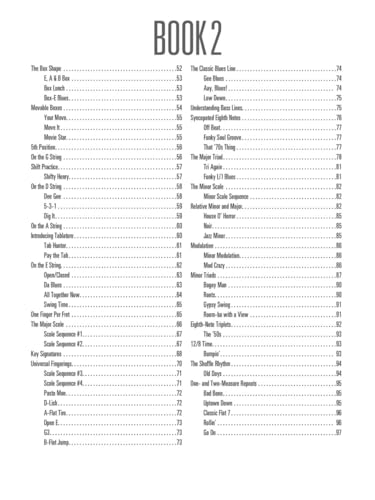
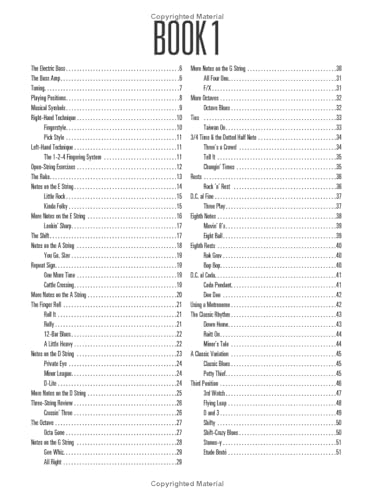
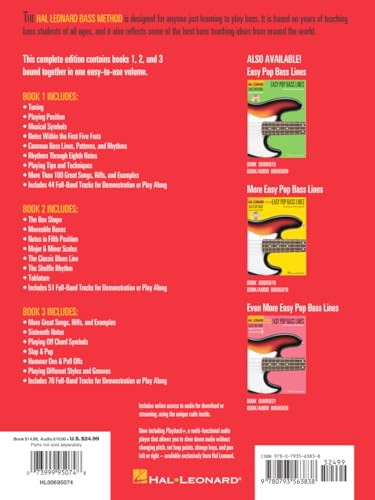
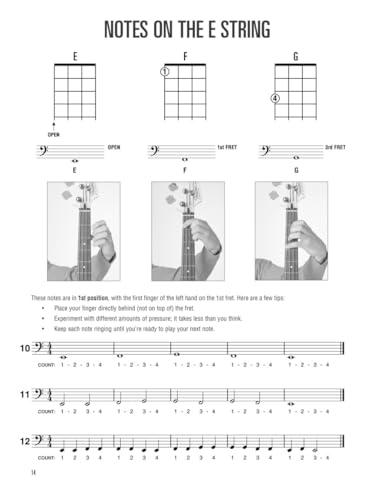
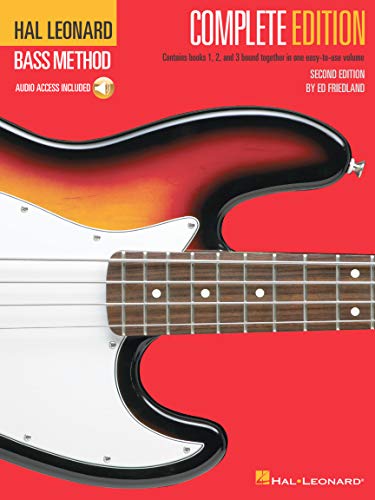
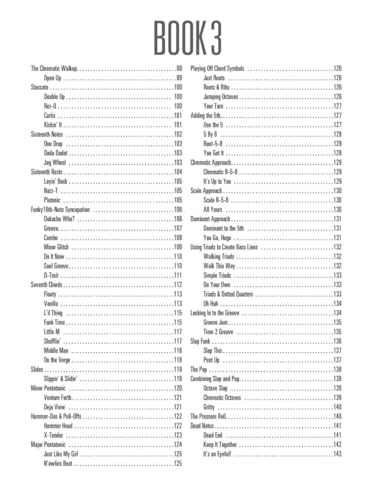
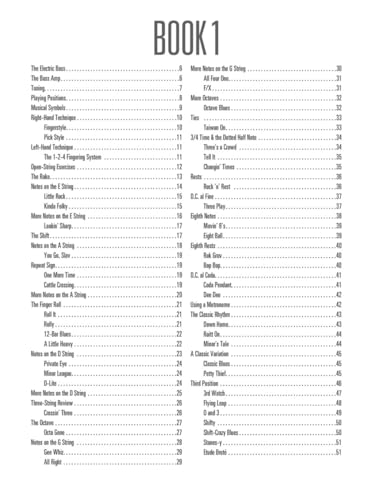


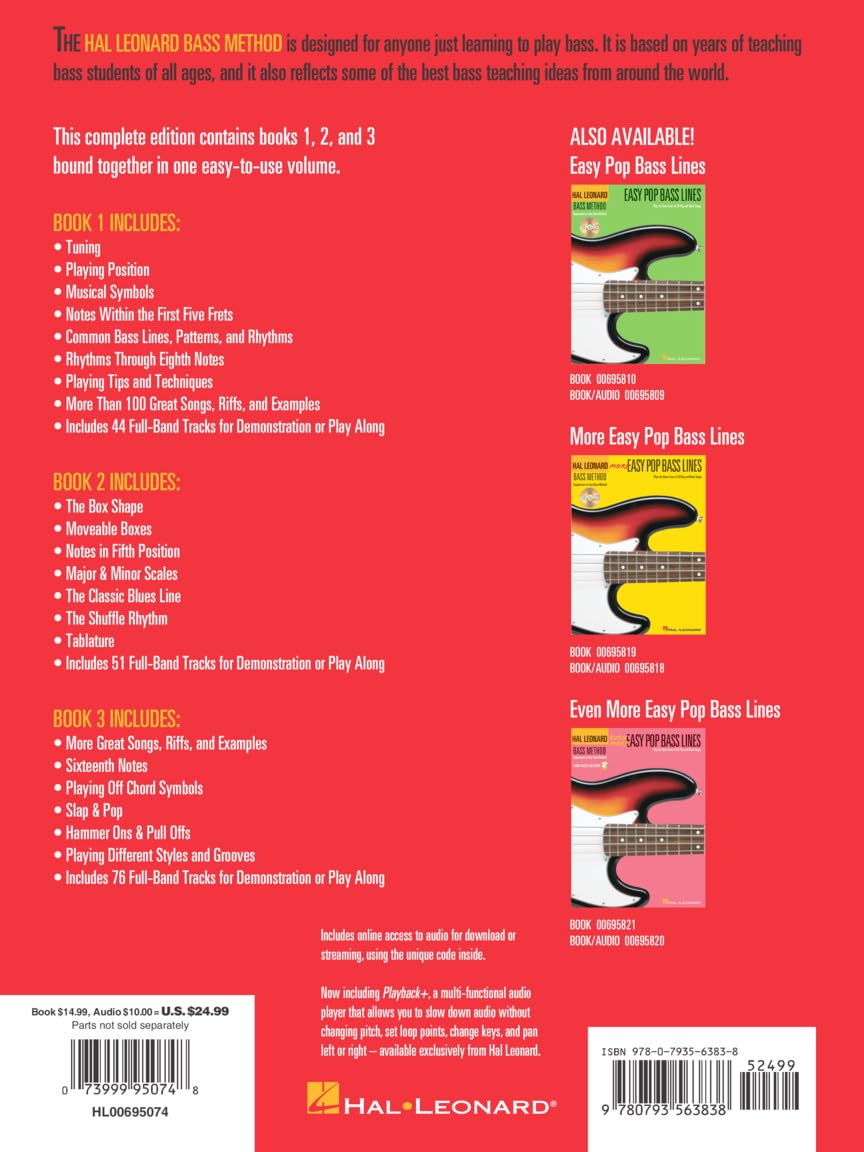




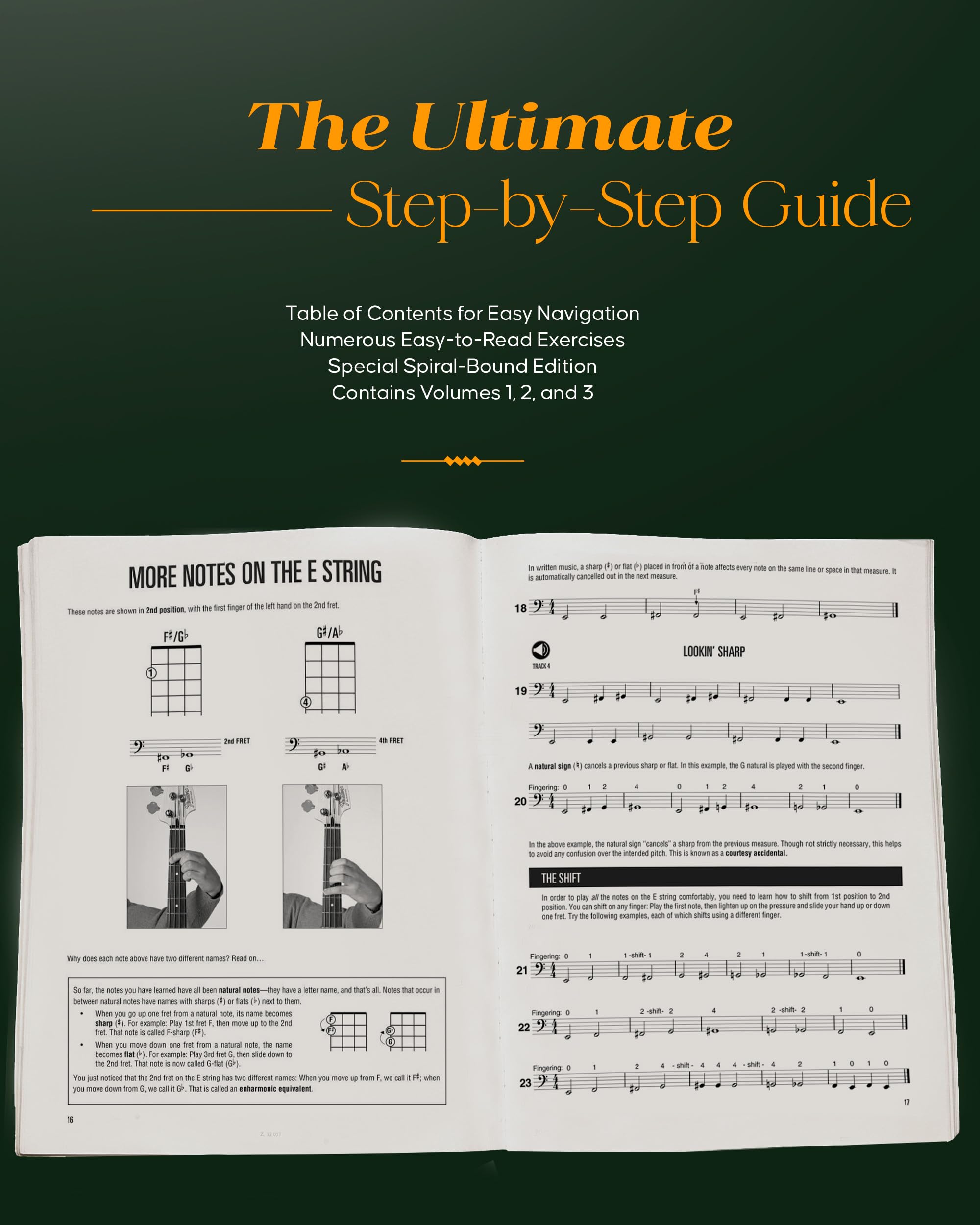

🎸 Unlock your bass potential with the ultimate all-in-one method!
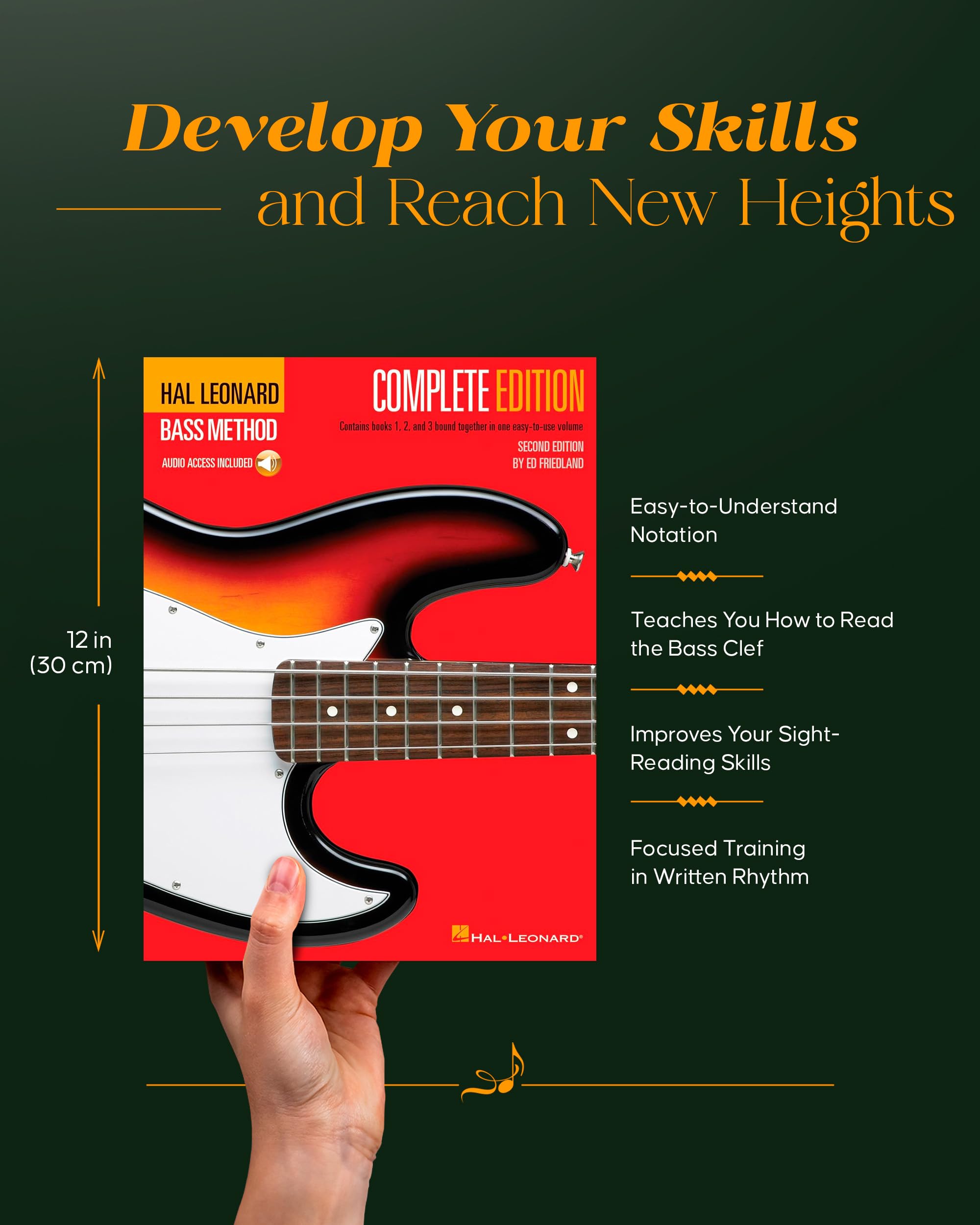
The Hal Leonard Bass Method Complete Edition bundles Books 1, 2, and 3 into a single volume, enhanced with online audio to support effective practice. Designed by renowned bassist Ed Friedland, this method emphasizes rhythm and sight-reading skills, making it ideal for beginners and intermediate players alike. With a 4.7-star rating from over 2,400 reviews and a top ranking in music instruction, it offers unbeatable value and a proven path to mastering bass clef reading and playing.


| Best Sellers Rank | #36,658 in Books ( See Top 100 in Books ) #56 in Guitars (Books) #241 in Music Instruction & Study (Books) |
| Customer Reviews | 4.7 4.7 out of 5 stars (2,496) |
| Dimensions | 11.9 x 9.3 x 0.4 inches |
| Edition | 2nd Revised ed. |
| ISBN-10 | 0793563836 |
| ISBN-13 | 978-0793563838 |
| Item Weight | 1 pounds |
| Language | English |
| Print length | 144 pages |
| Publication date | May 1, 1996 |
| Publisher | Hal Leonard |
S**N
Ed Friedland and Great methodology!
I would say that this is the BEST book and version of the books that you can get for learning bass clef. Ed F is an excellent teacher, writer and bassist. Look him up online. I cannot be 100% sure that he actually wrote every exercise here but they seem to have his style and focus on useful techniques. This book is meant to be used with a teacher if possible especially if you are a beginner (of any age). But if you are an experienced player that is looking to learn to read music as an independent study this book will be perfect. The fact that all 3 volumes of this method are in one book is really a great value. This can and should be used with other books that concentrate on other aspects of musicianship and Western music theory if you want to advance further, but you will need these basics. If used properly and regularly (with a teacher or without) you can learn to effectively read the bass clef and improve your reading and sight reading. What I find especially good about this book is that there is a focus on the structure of written rhythm. Electric bass playing is so tied in with rhythm that it is important to begin learning it well and challenging oneself from the beginning. Because of the repitition and challenges within the book you will be able to break the music measure up visually and 'see' the rhythm before you play it. This alone will raise the level of your sight reading ability to very high level. It is well worth the time to learn, study, and practice from this book. As an example, if you want to play "walking bass", after a relatively short time and some instruction about sharps/flats in the music key, you will be able to read most 4/4 walking bass lines from sheet music. That may be within 2 months with diligent practice and some guidance. This book is a "must have"!
R**N
Yes, these are the 2nd editions of the books + CDs!
Before I purchased this "collected volume," I was worried that I'd be getting the first edition. Surely, it couldn't POSSIBLY be the 2nd edition books + the CDs for that superb price! After all, if you buy them separately, the cost is nearly triple what this collected volume costs. Well, I am pleasantly surprised and happy to admit I was wrong! These ARE the new 2nd edition books in this collected volume, AND all 3 CDs are included. This is an astounding price point for such quality material. I took lessons years ago when I was in high school and every kid wanted to start a rock band (yay for the 80s?) Cue the rest of my life taking some twists and turns, moving across country with no room in the truck to take my bass... hopefully you can see where I'm going with this. After years of being away, I decided to get back into my bass playing, encouraged by fellow musicians I met at my day job. I knew I'd be out of practice and would need to get back up to where I used to be, so I decided to get a good method book to give myself a solid new foundation upon which to flourish (I also got myself a new bass, but that's a review for another time). This book is top notch, and a lot of the fundamentals in here I remember my music teacher telling me during my weekly private lessons at the local mom and pop music shop. Additionally, the sheet music examples include both the traditional inscription as well as tablature, which helps when trying to learn to read music. If you are a rank beginner, this book is right up your alley. You can start from square one, and by the time you're done, you'll have a good foundation upon which to build. If you're not exactly brand new to the instrument, the books are still helpful as they get more intricate and advanced as the volume numbers increase. At the very least, there's good reference material in here and for the price, you just can't beat it. I decided to start from the beginning even though I'd consider myself intermediate. After so long away, I wanted to break it down to bare basics and make sure I was disciplined enough to know the material in my sleep... something I wasn't exactly all that keen on as a teenager. ;) So far, I'm having a blast... I'd almost forgotten what joy I get from playing. I cannot recommend this book enough!
L**R
Perfect pace to start...
Without a doubt the best place to start for a beginner. As a kid I was classically trained on the trumpet, so I have a clear idea of how to learn an instrument, and what I want to learn. However, 25 years after putting down my trumpet I was surprised to realize I had forgotten nearly everything about musical theory. Aside from being new to the bass and string instruments in general, I also needed to relearn how to read sheet music, and how to play the music on a bass guitar. I browsed a few 'how-to' books, but had trouble finding one which truly started from the beginning. 'Hal Leonard Bass Method' starts by showing you how to hold the instrument, tune the bass, describes the basics of reading sheet music, how to place your left and right hands and fingers, then moves to very basic playing exercises which stress the fundamentals of understanding notes and timing. The information is clearly laid out, and moves with a logical progression so you are always building on what you learned. It is also comprehensive enough that once the basics are mastered, there will be plenty of more advanced instruction to keep you busy for years. I have a friend who insisted that I could just pick up the bass and play along to my favorite songs, that too much classical training can stymie a more natural feel for playing fun music. Well, I have yet to decide just where I will take my bass playing, but I know that I want to understand the mechanics of my instrument rather than just make cool sounds on it. Ripping scales may never happen, but if someone hands me some sheet music I want to be able to know what to do with it. If you have similar aspirations, this book is a great place to start.
R**O
El empastado es de tipo pasta blanda, la calidad del papel es aceptable. En cuanto a su contenido la impresión es clara y fácil de leer. Las tablaturas tienen las anotaciones musicales suficientes para tocar o acompañar las melodías. Lo recomiendo para quien esta iniciando y quiere empezar a tocar canciones populares.
T**A
Mycket nöjd med köpet
K**N
Excellent introduction to any complete beginner in Bass guitar.
B**.
Auf Wunsch meines Lehrers gekauft. Übersichtlich gestaltet, Backingtracks zum Üben. Achtung, es gibt alte Ausgaben mit CDs und neue mit Code für einen Onlinezugang.
J**A
Je recommande ce livre à tous ceux qui veulent s'initier à la guitare basse et à la lecture de la musique. Les trois volumes de la méthode sont réunis ici, donc il y a du travail pour un bon moment. Le tout est relié par une spirale en plastique qui rend l'utilisation du livre très pratique car il reste ouvert, il ne se referme pas pendant qu'on joue à cause d'une tranche trop rigide. Tous les livres de musique devraient être reliés de cette façon. Quasiment aucune tablature (sauf sur deux ou trois pages quand il s'agit d'expliquer ce qu'est une tablature), tout est en solfège. Ce n'est pas un problème car la méthode à pour but de vous enseigner la lecture de la musique et l'apprentissage des notes sur le manche. Tout est progressif, on apprend le manche et la lecture corde par corde, case par case et ça rentre dans la tête sans qu'on s'en aperçoive. On finit par savoir sans réfléchir à quelle case correspond telle note sur la partition, naturellement. Les morceaux d'entrainement sont très sympas à jouer, et le challenge est progressif et modéré, mais toujours au rendez-vous sans jamais vous frustrer. La célèbre pédagogie d'Ed Friedland dans toute sa splendeur. Un livre très motivant que tout apprenti bassiste se doit de posséder absolument.